How to Choose Electric Ball Valves for Your Application?
Choosing the right Electric Ball Valves can significantly impact the efficiency of your system. According to industry expert John Smith, "Selecting the appropriate Electric Ball Valve means understanding the specific needs of your application." This highlights the importance of tailored solutions in valve selection.
Electric Ball Valves serve various applications, from water systems to industrial processes. Each valve comes with unique specifications that affect performance. Selecting a valve that doesn’t meet your operational requirements can lead to inefficiency. It’s crucial to identify the key factors that influence performance, such as size, material, and control type.
Many overlook the details. For example, pressure ratings and body materials can drastically alter valve functionality. Reflecting on your application and usage patterns is essential. In the world of Electric Ball Valves, understanding these nuances can help avoid costly mistakes and optimize your operations.
Understanding the Basics of Electric Ball Valves
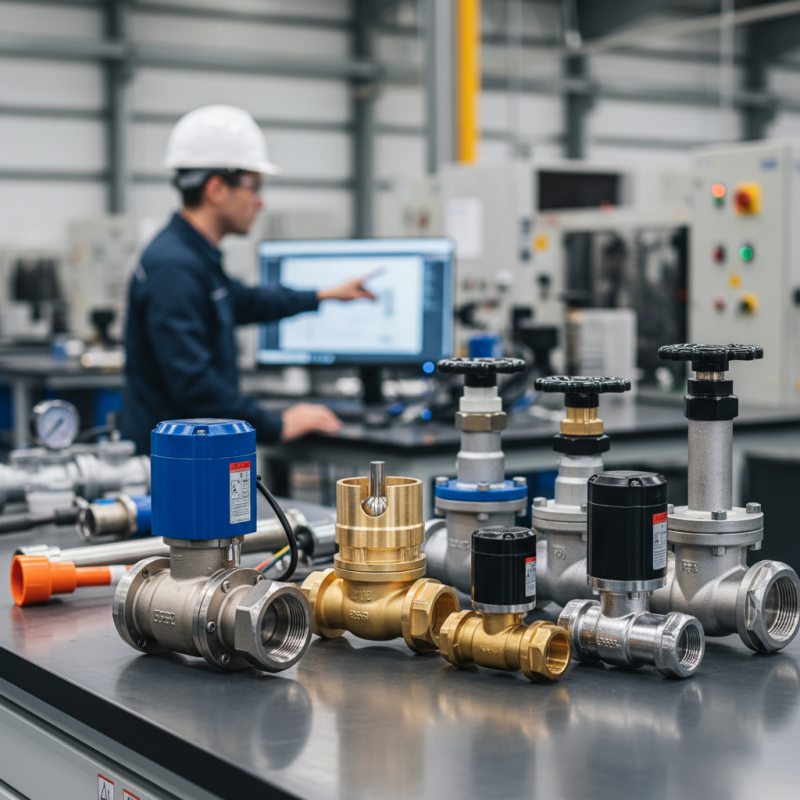
Electric ball valves are crucial for many industrial applications. Understanding their basics can help in making the right choice. These valves use electric actuators to control flow. They offer quick response times and precise control. Data shows that over 40% of industrial automation systems now use electric actuators because of their efficiency.
When selecting an electric ball valve, consider factors like size, voltage, and control requirements. A valve that is too small may not handle the flow rate needed. A common mistake is overlooking the valve's compatibility with the existing system. This could lead to operational issues and increased costs.
Tips: Always verify the pressure rating. This ensures safety and prevents leaks. Check the material compatibility. Corrosive environments can damage certain materials quickly. Also, make sure to review installation space. A tight or cramped area can complicate maintenance and access. These details are often missed but are vital for long-term performance.
Identifying Your Application Requirements
When selecting electric ball valves for a specific application, it’s crucial to identify the requirements upfront. Consider factors like fluid type, temperature, and pressure ratings. These elements play essential roles in ensuring that the chosen valve operates effectively within your system. Understand the nature of the fluid, whether it’s corrosive or viscous, as this will dictate the materials needed for the valve.
Tips: Always consult with engineers or technical experts. They can provide insights that might be overlooked. Use simulation tools to visualize how the valve interacts within the system. This can save time and cost in the long run.
Check compatibility with existing systems. Sometimes, new valves don’t seamlessly integrate, leading to inefficiencies. Measure space constraints as well; a poorly fitted valve can hinder operational efficiency.
Don’t ignore maintenance requirements. Some electric ball valves may demand regular upkeep or specific installation configurations. This oversight can lead to unexpected downtime, impacting productivity.
Evaluating Electric Ball Valve Specifications
When evaluating electric ball valve specifications, focus on key factors. Size is crucial. Measure your pipeline carefully. A valve too small won’t control flow effectively. Too large, and you risk leaks. Consider the pressure ratings as well. This ensures the valve can handle your application’s demands.
Next, think about the materials used. Stainless steel is common but not always necessary. For corrosive environments, materials should match the fluid type. Sealing options also matter. They affect both performance and lifespan. The wrong seal can lead to failures.
Don’t overlook control options. Some valves offer straightforward on/off functionality. Others provide precise flow control. Decide what suits your needs. Remember to check the electrical specifications, too. Ensure compatibility with your system's voltage. Misalignment can cause unexpected problems. Take time to evaluate these factors. A hasty choice can lead to costly repairs.
Comparing Types of Electric Ball Valves
When selecting electric ball valves, understanding the various types available is crucial. Electric ball valves come in several styles, including two-way and three-way configurations. Two-way valves control flow in a single direction, while three-way valves mix or divert flow. A study by the Valve Manufacturers Association indicates that over 40% of all industrial valves sold are ball valves, showcasing their popularity due to efficiency.
Material choice significantly impacts valve performance. Common materials include stainless steel, brass, and PVC. Stainless steel offers durability and resistance to corrosion, making it suitable for harsh environments. Brass valves are cost-effective for low-pressure applications, while PVC is lightweight and excellent for chemical handling. Consider your application’s specific requirements, such as temperature and pressure.
Tips: Always check the valve’s pressure rating. Ensure it matches your operational conditions. Don’t overlook actuator compatibility; a mismatch can lead to operational failures. Inadequate attention to these details can lead to unexpected costs and downtime. Choose reliable components, as this impacts the entire system's effectiveness.
Considering Installation and Maintenance Needs
When choosing electric ball valves, installation and maintenance should be top priorities. Electric ball valves must fit well in your system. Check the available space before making a decision. Ensure that the valves are easily accessible for maintenance. Complicated setups can lead to increased downtime and costs. Eyeing the layout of pipes and connections is essential.
Consider the ease of maintenance. Regular inspections are necessary for optimal performance. Valves that require extensive disassembly for maintenance are not ideal. Look for designs that allow quick access to replace parts. This can save time and reduce frustration. Think about the training needed for your team. Simple designs often need less training. Ensure your staff is comfortable handling these components.
Don’t overlook the potential need for repairs. Over time, electric ball valves may face wear and tear. Having spare parts available can prevent prolonged outages. Evaluate your long-term needs before finalizing your choice. A valve that is difficult to replace or repair can create unnecessary headaches. Choosing wisely can make a significant difference in your operation’s efficiency.
Electric Ball Valve Selection Criteria



 08045479132
 Send Inquiry

 Send Inquiry
 Send SMS