How to Choose the Best Packaging Machine for Your Business?
Choosing the right Packaging Machine is crucial for any business aiming to excel in its production processes. According to John Smith, an industry expert with over 15 years of experience in packaging solutions, "The right machine can significantly enhance efficiency and product quality." His insights highlight the importance of aligning your specific needs with the capabilities of the machine.
Consider what type of product you will be packaging. Different products require different solutions. A food product may need a vacuum-sealing option, while cosmetics might require precision filling equipment. However, the array of choices can be overwhelming. A machine that works for one business might not suit another. This reflects the need for thorough research and personalization in choosing the right Packaging Machine.
Budget constraints also play a significant role. Some companies overestimate their needs, leading to costly decisions. It's important to balance quality and cost without sacrificing performance. Reflecting on these aspects can help businesses make better choices. Therefore, take the time to evaluate your specific requirements so you don’t end up with machinery that does not meet your needs.
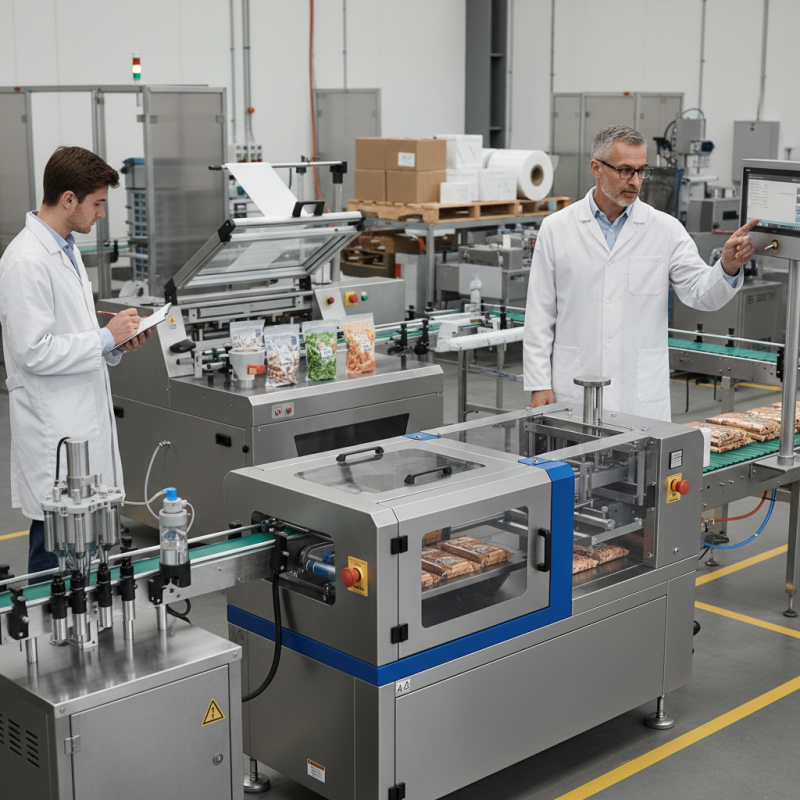
Factors to Consider When Choosing a Packaging Machine for Your Business
Choosing the right packaging machine for your business involves assessing various factors. Start with your product type. The materials you use will dictate the machine's requirements. For instance, fragile items may need softer handling. Think about the size of your products too. Larger items may require a machine with adjustable settings.
Speed and efficiency are crucial. Evaluate your production speed needs. Consider if your machine can keep up with your output demands. A slower machine may bottleneck production, leading to delays. Also, explore the level of automation. Fully automated machines can save labor costs but may come with higher upfront expenses.
Budget is another significant factor. While a high-end machine might seem appealing, it's essential to balance cost and functionality. Sometimes, a simpler machine can fulfill your needs effectively without overspending. Reliability matters too. Research customer reviews and case studies. Understanding how a machine performs in real-world conditions can guide your decision. Reflect on your long-term goals. Will this machine meet future demands? These considerations will help streamline your choice, ensuring better alignment with your business objectives.
How to Choose the Best Packaging Machine for Your Business? - Factors to Consider When Choosing a Packaging Machine for Your Business
| Factor | Description | Importance Level | Examples |
| Type of Product | The nature of the product being packaged affects the type of machine required. | High | Liquid, solid, powder |
| Production Volume | Determine the speed and capacity needed based on production demands. | High | Low, medium, high volume |
| Budget | The financial investment available for purchasing a packaging machine. | Medium | Economical vs. high-end machines |
| Machine Flexibility | Ability of the machine to handle different types of packaging. | High | Multi-use vs. single-use machines |
| Maintenance Requirements | Assess how much maintenance the machine requires over its lifetime. | Medium | Regular vs. minimal maintenance |
| Technical Support | Availability of customer service and technical support after purchase. | High | 24/7 support, on-site assistance |
Understanding Different Types of Packaging Machines and Their Applications
Choosing the right packaging machine is vital for efficiency and product safety. Various types of packaging machines exist, each serving distinct needs. For example, vertical form-fill-seal machines are optimal for snacks and powders. They provide speed and precision, helping businesses meet high demand.
Shrink wrap machines offer versatility. They encase products in plastic, securing them for transport. This type of packaging increases shelf life and maintains freshness. Yet, businesses should assess whether their products require this type of protection. Some items may not need shrink wrap, leading to unnecessary costs.
Moreover, vacuum packaging is ideal for perishable goods. It removes air from the package, extending the product's lifespan. However, it may not be suitable for all items. Companies must evaluate their offerings to avoid overinvestment in technology that doesn't align with their needs. Balancing efficiency, cost, and suitability is key to effective packaging solutions.
Evaluating Production Speed and Efficiency Metrics in Packaging Machinery
When choosing packaging machinery, production speed and efficiency are crucial. Evaluate how quickly a machine can complete a cycle. This speed directly affects your overall output. For example, a machine with a cycle time of 30 seconds may seem fast. However, if it struggles with quality, its efficiency drops. Look for a balance between speed and product integrity.
Consider the automation level of the machinery as well. Fully automated machines usually offer greater efficiency. However, they may require a higher upfront investment and skilled operators. Assess your production volume and labor costs. Sometimes, semi-automated systems can meet your needs without overwhelming your budget. Reflect on whether investing in automation is truly necessary for your specific production goals.
Tracking machine performance metrics is essential. Monitor factors like downtimes, error rates, and maintenance needs. Frequent breakdowns can nullify any speed advantages. Developing a system to collect and analyze this data can reveal insights. While seeking high-speed machines is tempting, it’s important to remember that reliability often trumps all-out speed in the long run. Balancing these factors can lead to smarter purchasing decisions.
Assessing the Total Cost of Ownership for Packaging Equipment Investment
Choosing a packaging machine involves more than simply evaluating the initial purchase price. The total cost of ownership (TCO) is a crucial factor for businesses. TCO encompasses ongoing operational costs, maintenance, and potential downtime. These elements can significantly impact a company’s bottom line.
When assessing TCO, consider energy consumption. An energy-efficient machine can lower utility bills over time. Maintenance costs are also essential; some machines require more frequent servicing. Analyze the availability of parts and service providers in your area. Limited access may lead to higher repair costs and production delays.
While investing in the latest technology can offer efficiency, it’s vital to weigh potential pitfalls. High-tech machines may complicate operations, requiring specialized training. This investment could lead to unexpected labor costs. Companies should also reflect on their growth projections. A machine suited for current demands may not accommodate future increases in production. Understanding these nuances plays a critical role in selecting the right packaging machine for your business.
Packaging Machine Total Cost of Ownership by Type
Industry Trends: Innovations Influencing the Future of Packaging Machines
The packaging industry is evolving rapidly. Recent studies reveal that the global packaging machinery market is projected to reach $55.66 billion by 2027, growing at a CAGR of 5.1% from 2020. This growth is driven by increasing demand for automated packaging solutions to enhance efficiency and reduce operational costs. Innovations in technology are reshaping how packaging machines are designed and utilized.
One significant trend is the rise of smart packaging machinery. These machines integrate IoT and AI capabilities, allowing for real-time monitoring and predictive maintenance. A report from Smithers highlights that smart packaging can reduce downtime by up to 30%. Additionally, eco-friendly materials are becoming mainstream. The push for sustainability is prompting manufacturers to innovate with biodegradable and recyclable options. This changing landscape requires businesses to carefully evaluate their packaging solutions to remain competitive.
However, the rapid pace of innovation also brings challenges. Companies may struggle to keep up with the latest technologies. A March 2023 survey from PMMI showed that 43% of businesses find the transition to new machinery daunting. Understanding how to leverage new trends is key, but training staff and adapting existing processes can be overwhelming. This highlights the importance of continuous education and adaptability in the industry.



 08045479132
 Send Inquiry

 Send Inquiry
 Send SMS