What to Consider When Choosing an Industrial Embedded PC?
When choosing an Industrial Embedded PC, several factors come into play. The global market for embedded PCs is projected to grow significantly, reaching $16.2 billion by 2026, according to recent reports. This surge highlights the increasing reliance on these powerful computing solutions across various industries. From manufacturing to healthcare, Industrial Embedded PCs serve as the backbone for automation and data processing.
Industry professionals emphasize the need for reliability and durability in these systems. Embedded PCs must withstand harsh environments, including temperature fluctuations and dust exposure. Reports indicate that nearly 30% of industrial failures stem from equipment not meeting these environmental standards. Selecting a robust Industrial Embedded PC can mitigate risks and enhance operational efficiency.
However, organizations often overlook crucial aspects during the selection process. Some focus primarily on cost, neglecting performance specifications and long-term support. This oversight can lead to increased downtime and higher maintenance costs over time. Understanding the full scope of requirements and balancing them with budget constraints is critical for making informed decisions in this field. Evaluating each aspect with precision ensures optimal performance and longevity of Industrial Embedded PCs in demanding settings.
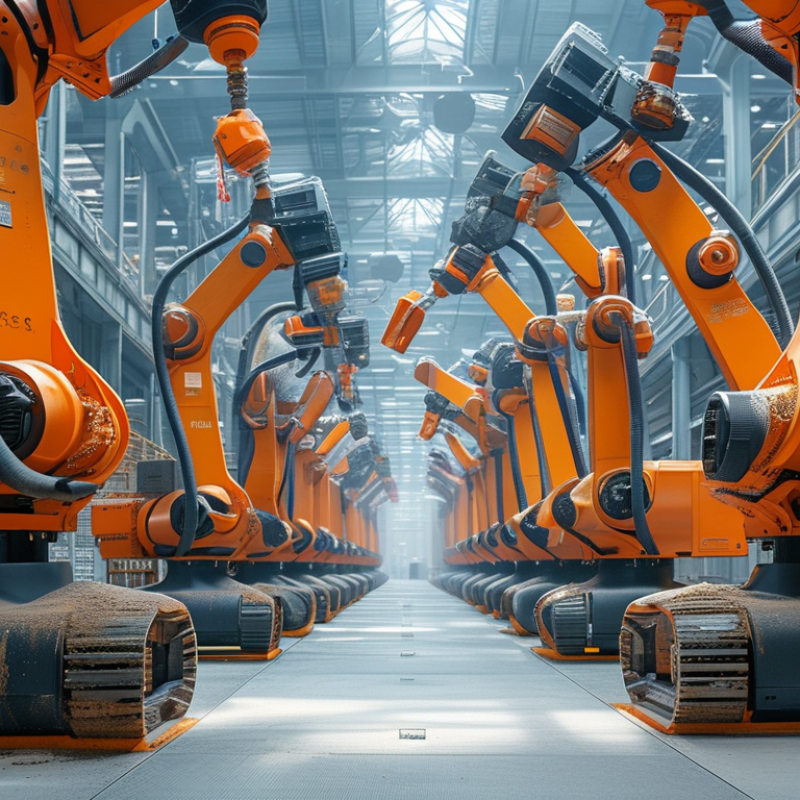
Understanding the Definition and Purpose of Industrial Embedded PCs
Industrial embedded PCs serve a crucial role in various industrial applications. These specialized computers are designed for specific tasks in environments where performance and durability are key. Their compact size allows them to fit into machines and systems where standard PCs cannot operate effectively. Understanding their purpose is vital for optimal performance.
When selecting an industrial embedded PC, consider its operating conditions. Many are built to endure harsh environments, including extreme temperatures and vibrations. It's essential to check specifications like ingress protection (IP) ratings to ensure they resist dust and moisture. Furthermore, assess the required processing power, memory, and connectivity options. Different applications will demand different capabilities, so a one-size-fits-all approach may lead to inefficiencies.
Another aspect to reflect on is the longevity of the hardware. Companies often overlook potential obsolescence when choosing components. A stable supply chain for parts is crucial to ensure that replacements are available in the future. Lastly, consider the software compatibility, as this will dictate how well the embedded PC performs the intended functions. This thoughtful approach will enhance reliability in the long run.
Evaluating Processing Power and Performance Requirements
When selecting an industrial embedded PC, processing power and performance are crucial. A report from MarketsandMarkets indicates that the global embedded system market is projected to reach $78.4 billion by 2026, highlighting the increasing reliance on powerful industrial PCs. Processing power is often dictated by the CPU architecture. Choices typically include ARM, x86, or RISC-based processors. Each architecture has strengths and weaknesses, and the right choice depends on specific application needs.
Additionally, performance metrics such as clock speed, core count, and thermal design power (TDP) are vital for ensuring efficiency. According to a study by Gartner, systems with higher core counts can manage parallel processing more effectively. However, high-performance processors can lead to increased costs and power consumption. Users must balance the need for speed against operational budgets and power allowances.
Diversity in workloads adds complexity to the decision-making process. Industrial applications can range from complex data analytics to simple control tasks. Each task may have different performance needs. Therefore, understanding the specific requirements of the applications can help guide decisions. A miscalculated choice can lead to wasted resources or subpar performance. Aligning processing power with application demands is essential for optimal performance.
Assessing Environmental Conditions and Durability Standards
When selecting an industrial embedded PC, assessing environmental conditions is crucial. These systems often operate in harsh environments. Factors like temperature, humidity, and dust play significant roles in performance. A PC that functions flawlessly in one setting may fail in another due to these variables. Understanding the specific conditions can help in choosing the right components.
Durability standards are another vital aspect to consider. Industrial PCs must withstand shocks and vibrations. They should also be resistant to electro-magnetic interference. However, not all systems meet these rigorous standards. This variability complicates the decision-making process. Researching certifications can help identify reliable options. Users should be wary of claims that seem too good to be true; scrutiny is essential.
There's often a trade-off between performance and durability. Systems designed for extreme conditions may have reduced processing capabilities. This reduction can affect the applications they support. Users must weigh these factors against their specific needs. Ignoring environmental demands can lead to increased maintenance and costs. Careful evaluation is key to finding a balance.
Considering Scalability and Future Upgrade Potential
When selecting an industrial embedded PC, scalability is a crucial factor. You want a system that can adapt as your needs grow. Consider how many devices or applications may be added in the future. Opt for a modular design, which allows for easy upgrades. This flexibility gives you the ability to enhance performance without a complete overhaul.
Future upgrade potential should also guide your choice. Look for PCs that support the latest processing technologies and connectivity options. Ensure that the hardware can accommodate additional RAM or storage later on. Such foresight can save costs in the long run. Sometimes, investing more upfront pays off as technology evolves.
Reflecting on the importance of scalability means recognizing that technology changes rapidly. What works today may become obsolete tomorrow. Therefore, it’s vital to choose a platform that offers evolutionary pathways. A robust system with upgradeable components can prevent disruption in production. Think carefully about the performance you may need beyond the present.
What to Consider When Choosing an Industrial Embedded PC? - Considering Scalability and Future Upgrade Potential
| Feature | Consideration | Future Potential | Scalability |
| Processor Type | Choose a versatile and high-performance processor. | Opt for multi-core processors for improved performance in future applications. | Supports various configuration options for upgrades. |
| Memory Capacity | Ensure adequate RAM for current tasks. | Higher RAM capacity allows for advanced applications in the future. | Look for systems that support memory expansion. |
| Storage Options | Consider SSDs for speed and reliability. | Choose systems that allow easy swapping or upgrading of storage. | Expandable storage options for growing data needs. |
| Connectivity | Evaluate required ports and protocols. | Future-proof with additional connectivity options. | Easily add new devices or networks via expandability. |
| Operating System | Select an OS compatible with current applications. | Choose an OS with strong community support for future updates. | Flexibility to install different operating systems as needed. |
Analyzing Cost and Budget Constraints for Industrial Solutions
When selecting an industrial embedded PC, cost and budget constraints are crucial factors. Recent industry reports show that over 40% of companies struggle to stay within their IT budget when transitioning to embedded solutions. This highlights the importance of careful financial planning. Industrial PCs can vary widely in price, influenced by features, processing power, and durability. Understanding the total cost of ownership, including maintenance and energy use, is vital for informed budgeting.
Choosing the right components can significantly impact costs. Embedded PCs often use specialized parts that may have a higher initial cost but offer long-term savings through efficiency. Additionally, durability affects replacement frequency. A more robust solution may require a larger upfront investment, but can ultimately reduce costs associated with frequent replacements.
Tips: Always consider future scalability in budget planning. Investing slightly more now can save you from higher costs down the line. Further, be cautious about choosing cheap alternatives. These might lead to greater long-term expenses in repairs and inefficient energy use. Evaluating price versus performance early on is essential.



 08045479132
 Send Inquiry

 Send Inquiry
 Send SMS