| Wheel type and material | Confirm that the machine supports the wheel’s construction, diameter, width, and mounting method. Passenger-vehicle wheels are commonly made from aluminum alloy; steel wheels generally require different repair processes. | A wheel must be securely mounted and remain within the machine’s stated working capacity. | Alloy-wheel repair shops handling a defined range of passenger-vehicle wheels. |
| Maximum wheel diameter and width | Compare the machine’s specified maximum diameter and width with the largest wheels you expect to process. Check capacity against the complete wheel, not just the face diameter. | A wheel outside the stated capacity may not fit safely or may not be machinable across the intended face area. | Workshops servicing mixed vehicle sizes, including larger SUV wheels, should verify capacity before purchase. |
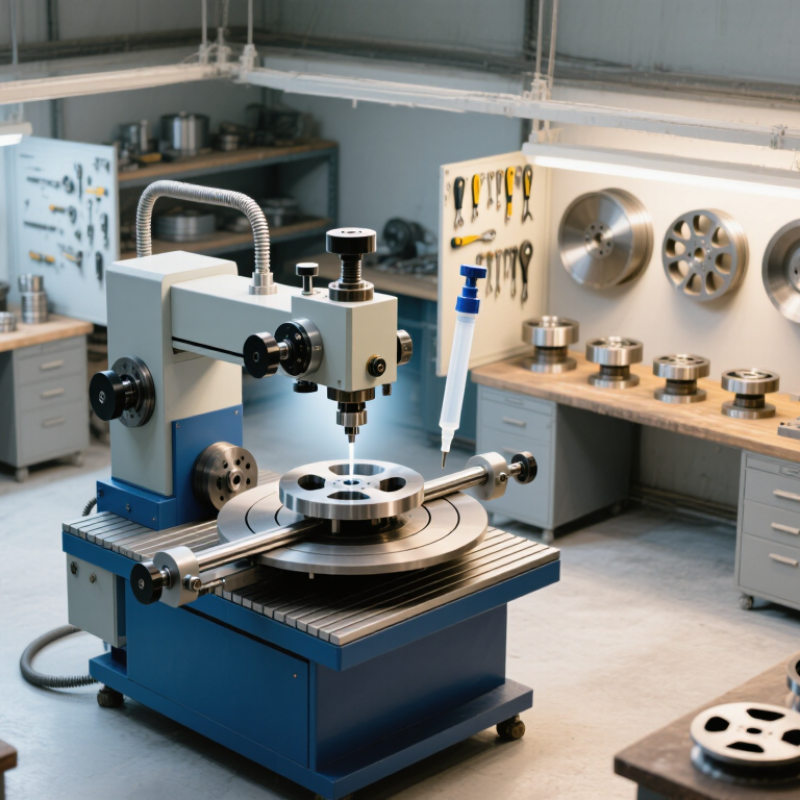
| CNC turning and diamond tooling | Check the tool setup, programmed tool path, spindle control, and availability of suitable cutting inserts. Ask how the system controls the depth of each pass. | A diamond-cut finish is produced by machining the wheel face with a cutting tool; controlled passes help produce a consistent finish while limiting material removal. | Restoring machined face details on compatible alloy wheels. |
| Measurement and wheel runout | Look for a practical method to measure the wheel face and identify runout before machining. Confirm whether measurement is manual, probe-assisted, or integrated into the control workflow. | Accurate setup helps the operator plan the cut and avoid removing more material than necessary. | Repair operations where repeatability and careful material removal are priorities. |
| Control software and workflow | Review the programming interface, setup steps, operator training needs, and whether jobs can be saved and reused. Request a demonstration using a representative wheel design. | Clear controls and repeatable procedures can reduce setup errors and make operator training easier. | Shops with multiple operators or recurring wheel designs. |
| Dust, chips, and guarding | Check the enclosure, chip collection, extraction connections, access doors, and emergency-stop arrangements. Follow the machine maker’s requirements for handling metal chips and dust. | Machining creates chips and debris; guarding and housekeeping support safer operation and cleaner work areas. | Any professional workshop operating a powered cutting machine. |
| Repair suitability and cut limits | Establish inspection criteria for cracks, severe bends, corrosion, and previous machining. Confirm the maker’s guidance on allowable cuts and when a wheel should be rejected rather than machined. | Machining cannot make every damaged wheel safe; structural damage requires appropriate inspection and may make repair unsuitable. | Responsible repair businesses using documented inspection procedures. |
| Finishing and corrosion protection | Plan for the required clear coating or other compatible protective finish after machining, and check how the workflow accommodates cleaning and coating preparation. | Machining exposes bare aluminum on the cut surface; suitable protection is needed to help guard against corrosion. | Shops offering a complete refinishing service rather than machining alone. |
| Service, training, and operating costs | Compare installation needs, operator training, maintenance schedule, tooling availability, warranty terms, and local technical support. | Purchase price alone does not show the ongoing cost or availability of support and consumables. | Businesses estimating long-term capacity and total cost of ownership. |



 08045479132

 Send Inquiry


 Send Inquiry
 Send SMS

