| Valve function | On/off isolation; throttling or control; emergency shutoff | Choose an isolation design for infrequent open/close duty. For control service, confirm the valve and actuator are suitable for the required flow range and operating conditions. | A butterfly valve’s flow characteristic and allowable throttling range depend on its design and application; do not assume every isolation valve is suitable for control duty. |
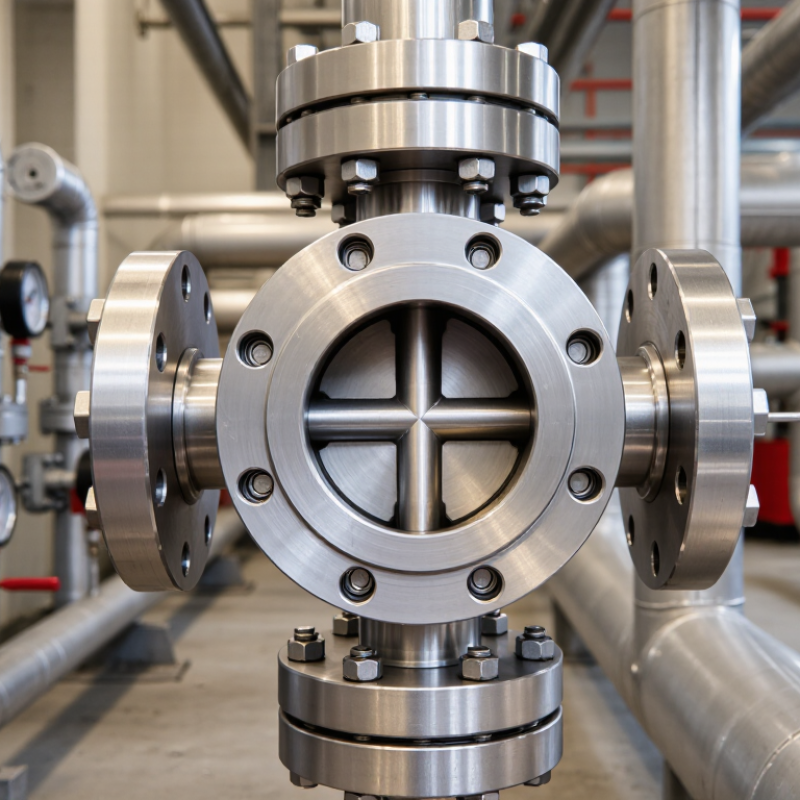
| Triple-offset geometry | Two shaft-to-disc geometric offsets plus an angled conical seat arrangement | Select a true triple-offset design when metal-seat shutoff, high-temperature service, or reduced seat rubbing during travel is required. | Confirm the manufacturer’s design drawings and stated leakage class. Triple-offset geometry alone does not define the achieved leakage rate. |
| Pressure and size | Nominal pipe size and applicable pressure class or rating | Match the valve rating to the system’s design pressure and temperature, including the relevant piping connection and end-connection requirements. | Allowable pressure changes with temperature and material. Verify the applicable pressure–temperature tables and the valve’s rated differential pressure. |
| Body material | Carbon steel, cast or forged stainless steel, duplex stainless steel, or other qualified alloys | Use carbon steel where the fluid and environment permit; consider stainless or higher-alloy materials when corrosion resistance is needed. | Check fluid chemistry, chlorides, external environment, corrosion allowance, temperature, and compatibility with connected piping. |
| Disc, shaft, and trim | Materials may include stainless steels, duplex grades, or corrosion-resistant alloys, selected for the service | Specify wetted parts based on corrosion, erosion, strength, and temperature requirements—not body material alone. | Confirm material grades, heat treatment where applicable, shaft strength, and galvanic compatibility among components. |
| Seat and sealing system | Metal-to-metal sealing; laminated metal-and-graphite seal rings; other service-specific metal seal arrangements | Choose the sealing construction according to leakage requirements, fluid compatibility, temperature, pressure, and cycling frequency. | Check the specified leakage test standard and class. Graphite-containing components require review for oxidizing, oxygen-rich, or otherwise restricted services. |
| Operating temperature | Ambient, elevated-temperature, or low-temperature service | Select body, seat, packing, gasket, and actuator components for the full minimum-to-maximum operating and design temperature range. | There is no single temperature limit for all triple-offset valves. Confirm limits for the exact materials, pressure rating, and construction. |
| Fluid and service conditions | Clean liquids or gases, steam, corrosive fluids, or fluids with suspended solids | Provide the fluid composition, concentration, contaminants, flow direction, pressure drop, and expected cycling conditions when requesting a selection. | Assess corrosion, erosion, deposition, cavitation risk, and whether the valve’s seat and flow path are appropriate for the media. |
| Flow direction and shutoff | Unidirectional or bidirectional shutoff, depending on valve design | If pressure can act from either side, specify bidirectional isolation and the required leakage performance in both directions. | Verify the permitted flow direction, pressure differential, and test basis in the valve documentation. |
| End connection and installation | Wafer, lug, or flanged ends, depending on the required design and piping arrangement | Match the end connection, face-to-face dimensions, flange drilling, and installation space to the piping system. | Check whether the selected configuration is suitable for end-of-line service and whether downstream piping support is required. |
| Actuation and torque | Lever, gearbox, pneumatic, electric, or hydraulic actuation | Select an actuator using the required operating time, control method, fail position, supply conditions, and valve torque throughout the operating cycle. | Include service factors and account for differential pressure, seat breakaway, temperature, and cycling. Do not size an actuator from nominal valve size alone. |
| Standards and inspection | Applicable valve design, pressure rating, dimensional, and pressure-testing standards | Specify the standards required by the project and jurisdiction; commonly referenced documents include API 609, ASME B16.34, and API 598 where applicable. | Confirm the exact edition, applicability, inspection scope, material certification, and acceptance criteria in the purchase specification. |



 08045479132

 Send Inquiry


 Send Inquiry
 Send SMS

