| Machine operating weight | Record the machine’s operating weight with the shovel attachment, intended bucket, and normal operating equipment installed. | The complete operating configuration—not base weight alone—helps determine the required frame, track, roller, and idler capacity. |
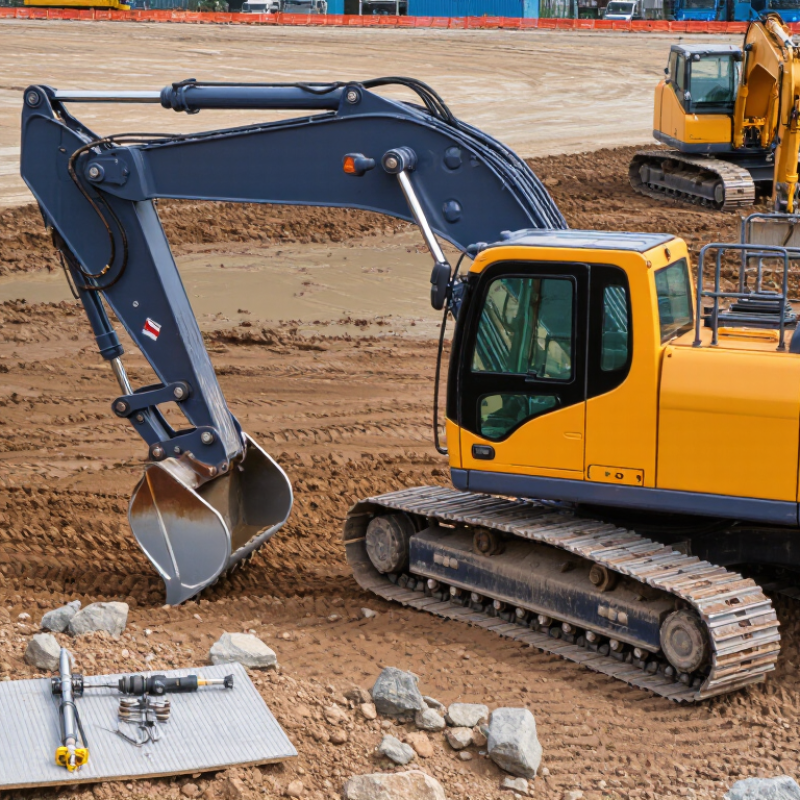
| Shovel configuration and working forces | Specify the shovel type, bucket size and material, attachment geometry, and any operating loads or load charts supplied for the machine. | Digging and crowding forces can create high loads in addition to static machine weight. Confirm that the undercarriage is approved for the exact configuration. |
| Material and ground conditions | Describe the material being excavated and the travel surface: for example, loose soil, compacted ground, rock, broken rock, or abrasive fines. Note whether the ground is wet, muddy, or uneven. | Abrasive or rocky surfaces accelerate wear; soft ground can increase sinkage and track slip. These conditions influence shoe style, wear protection, and inspection frequency. |
| Work hours and duty cycle | Estimate operating hours per shift and shifts per day. Record any continuous-operation schedule, frequent starts and stops, or periods of peak production. | Long operating hours and demanding cycles increase cumulative wear. Use the duty cycle when planning maintenance intervals and comparing undercarriage service requirements. |
| Digging time versus travel time | Estimate the share of working time spent digging, repositioning, and travelling. Include typical travel distance and how often the machine moves between work areas. | Frequent or long travel adds track-system wear. A machine that mostly digs in one position may have a different wear pattern from one that regularly travels around a site. |
| Ground pressure and flotation needs | Review the machine’s published ground-pressure information and the site’s bearing conditions. Ground pressure is generally estimated from operating weight divided by the effective ground-contact area of both tracks. | The estimate helps assess whether the machine can work on the intended surface without unacceptable sinkage. Actual pressure distribution varies with track design, load, and ground conditions. |
| Track shoe width and shoe profile | Choose shoe width and profile according to the machine’s approved options, ground support needs, traction requirements, and the surfaces the machine must travel across. | Wider shoes can improve flotation on suitable soft ground, while shoe choice must also account for traction, turning, and stress on the track system. Follow the machine manufacturer’s limits. |
| Site slopes and uneven terrain | Document typical and maximum working slopes, cross-slope travel, ground irregularities, and any areas where the machine may encounter sharp transitions. | Slopes and uneven surfaces affect stability, track loading, and component wear. Use the machine’s operating and travel limits; do not treat a general slope figure as a safe limit. |
| Environmental exposure | Note exposure to water, mud, salt, chemicals, high temperatures, freezing conditions, and material that can pack into the track system. | Corrosive exposure and packed debris can contribute to wear, restricted movement, or maintenance needs. Specify the environment when requesting components and service guidance. |
| Maintenance access and service plan | Confirm inspection access, cleaning practices, track-tension procedures, parts availability, and the planned method for measuring wear. | A suitable service plan helps identify uneven wear early and supports more predictable maintenance and replacement scheduling. |



 08045479132

 Send Inquiry


 Send Inquiry
 Send SMS

