| Liquid and solids | Water type, temperature, acidity or alkalinity, and the size and amount of solids. | Match wetted materials and the pump’s permitted solids passage to the liquid. Drainage water with grit or debris may need a pump designed for solids handling. | Unsuitable materials or blocked passages can cause rapid wear, corrosion, or loss of flow. |
| Required flow rate | How much water must be removed and how quickly. | Estimate the inflow or required drainage rate, then check the pump performance curve at the actual system head rather than relying on the maximum flow figure alone. | Flow decreases as total head and pipe resistance increase. |
| Total dynamic head | Vertical lift plus friction losses in the pipe, fittings, valves, and outlet. | Measure from the pumping water level to the discharge point, then account for pipe length, diameter, bends, and fittings. Keep the duty point within the pump’s operating range. | An underestimated head can leave the pump delivering too little water or no useful flow. |
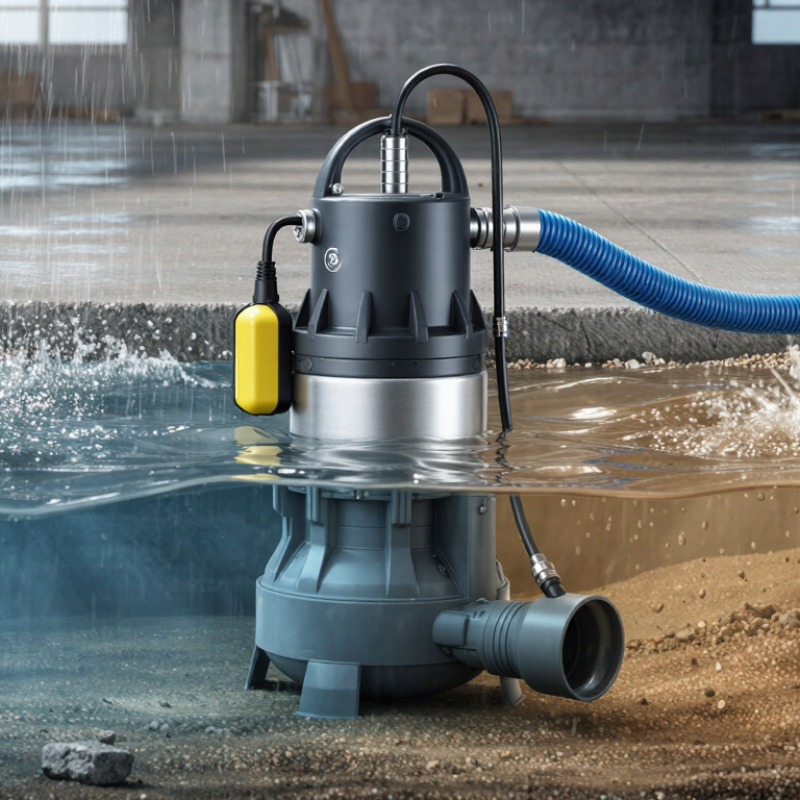
| Installation location | Sump or pit dimensions, access for removal, floor condition, and risk of flooding. | Confirm the pump fits with room for the float switch to move freely. Use a stable base or approved guide-rail arrangement where appropriate. | Restricted movement, unstable placement, or poor access can interfere with operation and servicing. |
| Water level controls | Start and stop levels, minimum submergence, and the risk of dry running. | Check the manufacturer’s required operating depth and float-switch clearances. For automatic operation, verify that the switch cannot snag on the pit wall or pipework. | Incorrect control settings may cause frequent cycling, dry running, or failure to start before water overflows. |
| Discharge pipework | Pipe diameter, discharge route, non-return valve, isolation valve, and outlet position. | Size the pipe to the pump connection and required flow. Install valves in accessible locations and support the pipe so its weight is not carried by the pump connection. | Excessive restriction, backflow, or pipe strain can reduce performance and complicate maintenance. |
| Electrical supply and protection | Voltage, phase, frequency, current, cable length, earthing, and site electrical requirements. | Confirm the supply matches the pump nameplate. Have a qualified electrician provide suitable circuit protection and residual-current protection where required by local codes. | Incorrect supply or inadequate protection creates electrical and equipment hazards, especially in wet areas. |
| Duty cycle and pump capacity | Expected operating hours, starts per hour, and whether operation is continuous or intermittent. | Choose a pump rated for the intended duty and check permitted starts per hour. For critical drainage, assess whether a standby pump or alarm is needed. | Frequent starts or duty beyond the rating can overheat the motor and shorten service life. |
| Routine maintenance | Inspection frequency, cleaning access, wear parts, and safe isolation procedure. | Plan to isolate power before inspection, clear debris from the intake, check the float switch and cable, and inspect valves and pipework according to the operating manual. | Regular checks help identify blockage, wear, leaks, and control problems before a drainage failure. |
| Service and spare parts | Availability of qualified repair support, replacement parts, documentation, and warranty terms. | Before purchase, confirm local service access, parts availability, repair turnaround expectations, and the procedure for obtaining technical support. | Clear service arrangements reduce downtime and help keep the pump maintainable over its working life. |
| Commissioning checks | Correct rotation for three-phase models, leak-free connections, control response, and actual discharge performance. | Follow the pump instructions and site safety rules. Test operation with water, verify start and stop levels, and check for unusual noise, vibration, or leakage. | A commissioning test confirms that the installed system—not just the pump specification—works as intended. |



 08045479132

 Send Inquiry


 Send Inquiry
 Send SMS

