How to Choose the Right Valve DC Gear Motor for Your Needs?
Selecting the right Valve DC Gear Motor is crucial for optimization in various applications. In 2022, the global DC motor market was valued at approximately $15 billion. This indicates a growing interest in effective motor solutions. Valve DC Gear Motors are indispensable in industries like robotics and automation.
When considering these motors, factors such as torque, speed, and gear ratio become critical. A motor with the correct specifications can enhance performance and increase efficiency. Surprisingly, many users overlook the importance of matching the motor's capabilities with project demands. Inadequate choices often lead to operational failures and increased downtime.
The right choice can reduce energy consumption by up to 30%. However, incorrect selections can waste resources and affect productivity. It's vital to assess your specific requirements meticulously. A reflective approach will ensure that your project achieves its goals effectively, despite the seemingly overwhelming choices available in the market.
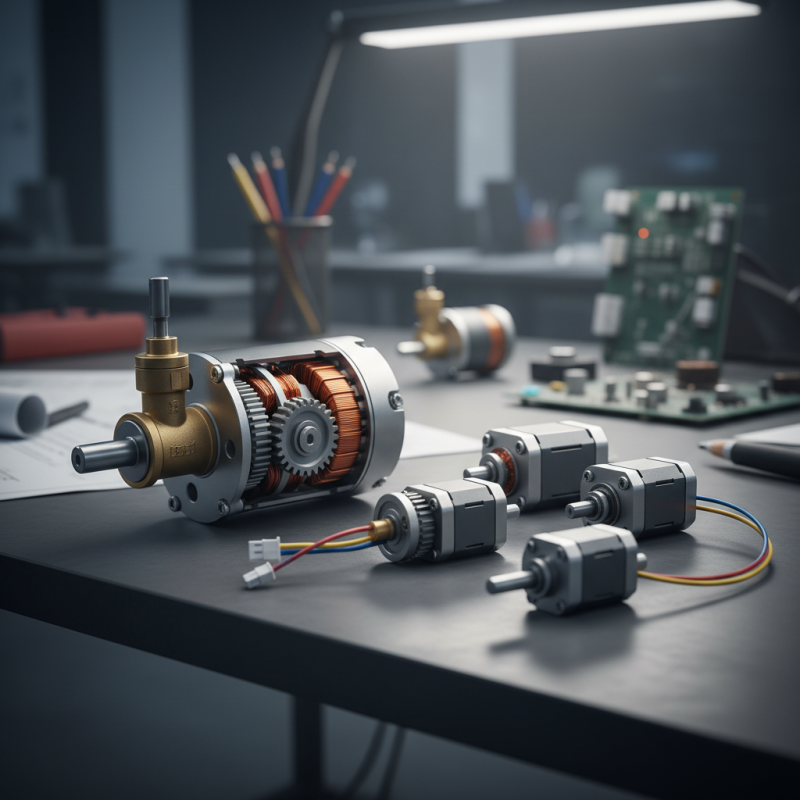
Understanding Valve DC Gear Motors and Their Applications
When selecting a valve DC gear motor, it's crucial to understand its applications. These motors are widely used in automation systems. They provide precise torque and speed, making them ideal for controlling valves. In industrial settings, they regulate fluid flows effectively. Think about how they can impact efficiency and reduce downtime.
Consider specific requirements when choosing a motor. Do you need high torque or fast response? The correct specifications will influence performance. In some cases, users may overlook essential features, which can lead to underperformance. It's vital to analyze your application deeply. We often forget to match characteristics with operational needs.
Real-world applications offer valuable insights. In irrigation systems, they help manage water flow. In HVAC systems, they ensure proper air distribution. Observing these functions can illuminate the motor's role. However, it's essential to reflect on potential limitations. Power consumption can be a concern. Regular maintenance is necessary for long-term reliability. Evaluate these factors to make informed decisions.
How to Choose the Right Valve DC Gear Motor for Your Needs?
| Motor Type | Voltage (V) | Torque (Nm) | Speed (RPM) | Application |
| Miniature Gear Motor | 12 | 0.2 | 100 | Robotics |
| Standard DC Gear Motor | 24 | 0.5 | 200 | Actuators |
| High Torque Gear Motor | 36 | 2.0 | 50 | Industrial Equipment |
| Micro DC Gear Motor | 6 | 0.1 | 300 | Consumer Electronics |
| Servo DC Gear Motor | 12 | 0.8 | 150 | Automated Systems |
Key Factors to Consider When Selecting a Valve DC Gear Motor
When selecting a valve DC gear motor, consider several key factors. Firstly, analyze the torque requirements. The motor must deliver sufficient torque for your specific valve application. Higher torque can improve performance, but it usually comes with increased power consumption. Striking the right balance is essential.
Next, the speed rating is crucial. Determine the desired speed of the valve operation. A motor with variable speed options may offer better versatility. However, consider how this might affect control systems. Sometimes, a straightforward motor is more effective.
Don’t forget to evaluate the gear ratio. This affects both torque and speed. A higher gear ratio can increase torque but decrease speed. It may also lead to wear and tear over time. Reflect on how these factors will impact your system's longevity. Each selection can have long-term effects, so deliberate on your choices carefully.
Determining the Required Torque and Speed for Your Application
When selecting a valve DC gear motor, understanding your torque and speed requirements is crucial. Torque is the twisting force that the motor generates. It determines how much weight the motor can handle. For applications like robotics or automation, careful torque calculation is vital. If the torque is too low, the motor may stall. If it’s too high, energy efficiency suffers.
Next, speed plays a critical role. Each application requires a specific speed for optimal performance. For instance, a slow-opening valve may need only 20 RPM, while a high-speed actuator may require over 100 RPM. Achieving the right balance between torque and speed can be tricky. A high torque at low speed might work, but it can lead to overheating. Always consider how these factors interact in real-world scenarios.
In practice, many users overlook their specific needs. They may choose a motor based solely on specs. This can lead to issues later. It's important to test the motor under working conditions. Fine-tuning your choice based on real feedback can make all the difference. Reflect on your experience to make better decisions next time.
Evaluating Gear Ratios: Matching Motor Output to System Needs
When selecting a DC gear motor, understanding gear ratios is crucial. Gear ratios directly affect the motor's torque and speed. A higher gear ratio means more torque but less speed. For example, a 20:1 gear ratio can increase torque by twenty times while reducing speed. This is beneficial for applications needing heavy lifting. Reports indicate that proper gear ratio selection can improve efficiency by up to 30%.
It's important to match the gear ratio with the system's requirements. Misjudging this can lead to failure. For instance, if the system demands high speed but the motor delivers high torque, it may stall. Choosing the right ratio involves considering load types and operational speed. Data suggests that 40% of motor-related failures stem from incorrect gear selection.
Evaluating the application environment is vital. Factors like temperature, load variations, and duty cycles impact performance. If the gear motor operates in a fluctuating environment, flexibility in gear ratio becomes necessary. Systems requiring frequent start-stop cycles benefit from lower gear ratios. Decisions should be data-driven and consider real-world testing. As many engineers find, the path to the perfect match involves trial and error.
Comparing Types and Features of Valve DC Gear Motors on the Market
When selecting a valve DC gear motor, it's crucial to understand the types available. Generally, there are three main types: brushed, brushless, and stepper motors. Brushed motors are straightforward and low-cost, making them popular for basic applications. However, they have a shorter lifespan due to wear and tear. In contrast, brushless motors offer greater efficiency and longevity but are typically pricier. According to a 2022 industry report, brushless motors account for up to 40% of the market due to their growing demand.
Features also play a significant role in the decision-making process. Torque, speed, and power consumption are key parameters. For instance, the torque rating often determines load capacity. Many manufacturers suggest that optimal torque ranges from 15 to 50 Nm for general applications. Speed, measured in RPM, can vary widely. The right choice often depends on specific setup conditions.
An area for improvement is understanding the thermal performance of these motors. Many users overlook heat dissipation, which can lead to failure. A report from the International Electromechanical Society noted that overheating is a leading cause of motor malfunctions. As industries upgrade their systems, ensuring proper cooling is vital for longevity. Careful consideration of both types and features will lead to a more suitable choice for your needs.



 08045479132
 Send Inquiry

 Send Inquiry
 Send SMS