| 1 | Material traceability and certification | 15% | Request material certificates, heat or batch identification, and a documented method for linking finished plates to incoming material. | Traceability supports incoming inspection, problem investigation, and consistent procurement. |
| 2 | Dimensional inspection and tolerances | 14% | Review the supplier’s drawing-review process, inspection records, measurement equipment, and ability to meet the tolerances specified on your drawing. | Plate flatness, thickness, and machined features should be checked against the actual application and drawing requirements. |
| 3 | Material and hardness control | 12% | Confirm the proposed material grade, heat-treatment route where applicable, hardness inspection method, and acceptance criteria. | Material condition should be selected and verified for the intended thermal and mechanical service conditions. |
| 4 | Manufacturing process range | 11% | Check which operations are performed in-house, such as cutting, machining, drilling, surface finishing, and plate assembly, and which are subcontracted. | A clear process scope helps establish responsibility, lead time, and control of outsourced operations. |
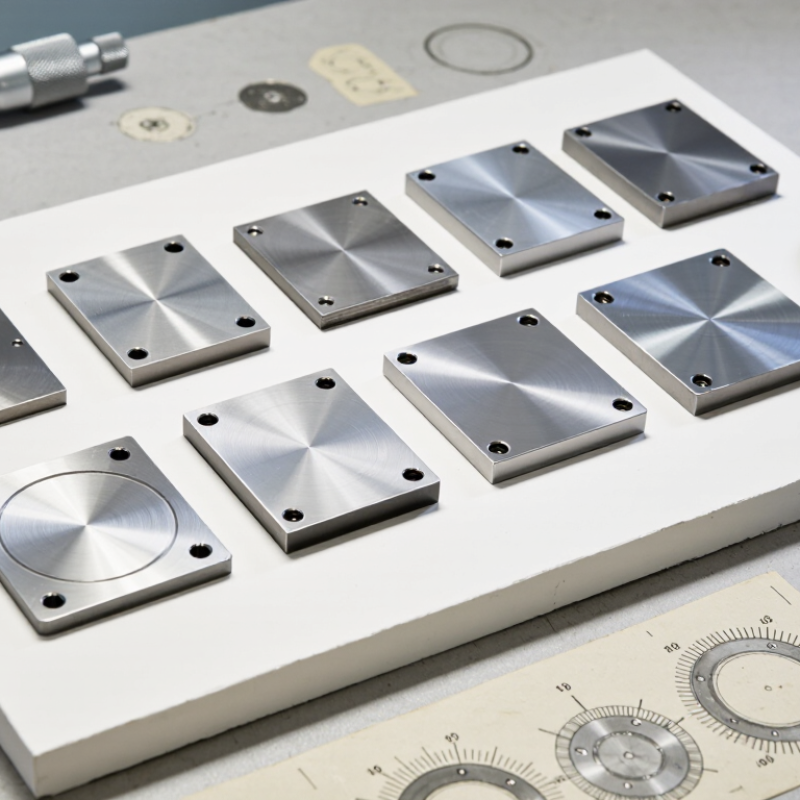
| 5 | Surface finish and flatness control | 10% | Ask for the specified surface-finish and flatness requirements, inspection method, and sample inspection reports for comparable work. | Acceptance criteria should be defined on the drawing or purchase specification rather than assumed from a general product description. |
| 6 | Production consistency and quality system | 10% | Review current quality-system certificates where applicable, inspection plans, nonconformance handling, and corrective-action records. | A certificate alone does not establish product suitability; process controls and inspection evidence should also be reviewed. |
| 7 | Custom engineering and drawing support | 9% | Assess drawing review, revision control, manufacturability feedback, and the supplier’s process for approving design changes. | Documented technical communication can reduce errors when producing custom plate dimensions or features. |
| 8 | Export documentation and packaging | 8% | Confirm experience preparing the documents required for your shipment, agreed trade terms, packing details, and any applicable wood-packaging compliance. | Documentation and packaging needs depend on the destination, shipment method, and buyer’s import requirements. |
| 9 | Lead-time planning and capacity communication | 6% | Request a written production schedule, milestone updates, and a clear statement of capacity and delivery assumptions for the specific order. | Lead times vary by size, material availability, machining scope, inspection, and order volume; compare like-for-like quotations. |
| 10 | After-sales response and issue resolution | 5% | Agree on the contact channel, response expectations, warranty terms, and the process for reviewing documented quality concerns. | Clear responsibilities make it easier to resolve issues across time zones and international supply chains. |



 08045479132

 Send Inquiry


 Send Inquiry
 Send SMS

