What is a Brake Caliper Carrier and How Does it Work?
A Brake Caliper Carrier is a crucial component in a vehicle's braking system. It serves as a support structure for the brake caliper, which holds the brake pads and applies pressure to the rotors. When you press the brake pedal, the caliper, mounted on the carrier, squeezes the brake pads against the rotors, generating friction. This action is vital for slowing down or stopping the vehicle effectively.
Understanding how the Brake Caliper Carrier functions can provide insight into vehicle safety and performance. A malfunctioning carrier may lead to uneven braking or noise during operation. Regular inspection of this component can prevent costly repairs and ensure a smoother driving experience.
It is important to note that while the Brake Caliper Carrier is often overlooked, its role is significant. Many drivers may not appreciate how integral it is to the braking process. When considering brake maintenance, the carrier warrants attention. Reflecting on its function can enhance awareness and promote safer driving habits.
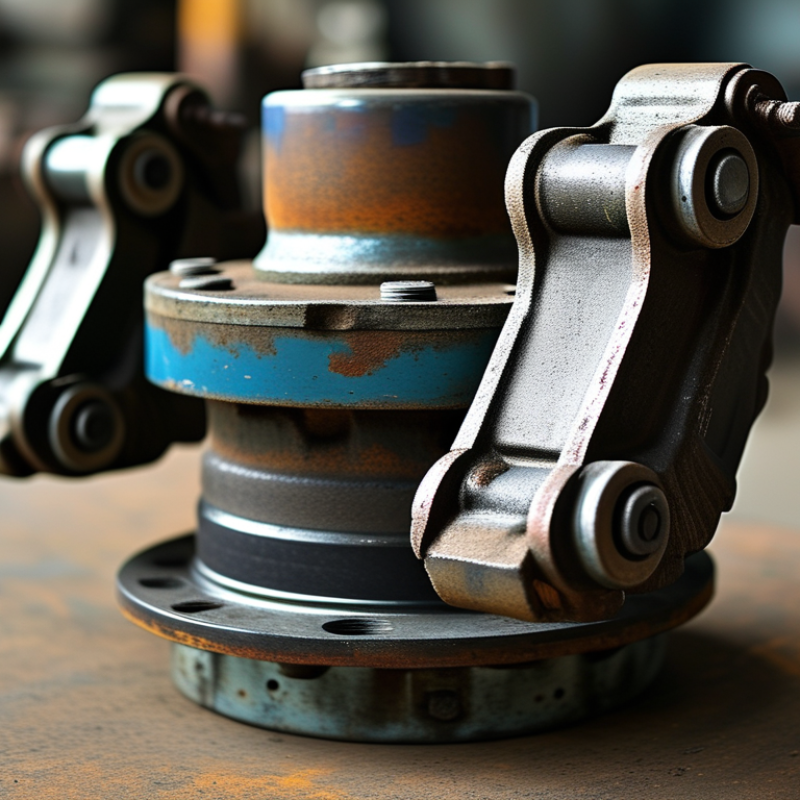
What is a Brake Caliper Carrier?
A brake caliper carrier is a crucial component in automotive brake systems. It acts as the mounting structure that holds the brake caliper in place. In disc brake configurations, the carrier supports the caliper while allowing it to slide smoothly as the brakes are applied. This sliding action is essential for even brake pad wear and effective braking performance.
Research shows that a well-constructed brake caliper carrier can improve braking responsiveness. According to industry reports, up to 30% of brake-related issues stem from faulty caliper components. The carrier must maintain proper alignment to ensure the caliper functions effectively. If misalignment occurs, it can lead to uneven pad wear and reduced braking efficiency. Regular inspections are recommended to identify potential issues early.
Tips: When checking your braking system, pay attention to the caliper carrier. Look for signs of rust or damage. Small cracks can indicate that the carrier needs to be replaced. Additionally, ensure the carrier is properly lubricated. This simple maintenance task can extend the lifespan of the braking components significantly. Always consult a professional if you notice unusual brake behavior.
What is a Brake Caliper Carrier and How Does it Work?
| Component | Description | Function | Material | Common Issues |
| Brake Caliper Carrier | A component that holds the brake caliper in place. | Supports the caliper and stabilizes brake force. | Typically made of aluminum or cast iron. | Wear, corrosion, or damage may lead to brake performance issues. |
| Brake Pads | Friction material pressed against the rotor. | Creates friction to slow down or stop the vehicle. | Composite friction materials, often with a metal backing. | Excessive wear leads to reduced braking efficiency. |
| Brake Rotors | Disc that the brake pads clamp onto. | Transfers the friction force to the wheels, slowing the vehicle. | Usually made from cast iron or carbon composite. | Warping or cracking due to heat and stress. |
| Brake Fluid | Hydraulic fluid used in brake systems. | Transfers force from the brake pedal to the caliper. | Made from glycol or silicone-based solutions. | Moisture contamination can reduce boiling point. |
Functions of the Brake Caliper Carrier in Vehicle Braking Systems
The brake caliper carrier plays a crucial role in vehicle braking systems. It serves as the mounting structure that holds the brake caliper in place. This component ensures that the caliper aligns properly with the brake rotor, maximizing braking efficiency. When the driver presses down on the brake pedal, hydraulic pressure pushes the brake pads against the rotor, creating friction that slows the vehicle down.
One key function of the caliper carrier is to absorb and distribute forces generated during braking. It must withstand significant stress while maintaining its structural integrity. A damaged or poorly installed carrier can lead to uneven brake pad wear. This in turn can compromise the entire braking system. Regular inspections can help identify potential issues early.
Tips for maintaining your brake system include keeping an eye on any unusual noises or vibrations when braking. Also, consider having your brake components regularly checked by a professional. This proactive approach can save you from more significant issues down the road. Brakes are essential for safety; neglecting them is not an option.
How Brake Caliper Carriers Interact with Brake Calipers and Rotors
A brake caliper carrier plays a vital role in the braking system. It serves as a mount for the brake caliper, ensuring proper alignment with the brake rotors. When the driver presses the brake pedal, the caliper clamps the brake pads against the rotor. This process generates friction, slowing down the vehicle. The carrier itself distributes force evenly, enhancing braking performance and stability.
Brake caliper carriers are designed to withstand significant forces. They need to be sturdy and reliable. Over time, wear and tear can occur. This may lead to misalignment or uneven pad wear. Drivers might notice decreased braking efficiency. Routine inspections can help identify potential issues before they become severe.
Tips: Regularly check your brake system for signs of wear. Look for uneven brake pad thickness. Also, listen for unusual noises during braking. These might indicate that the caliper carrier is contributing to a larger issue. Taking proactive steps can prevent costly repairs later on. Keeping your braking system in optimal condition ensures safety on the road.
Materials and Design Considerations for Brake Caliper Carriers
Brake caliper carriers are crucial components in the braking system. They house the brake calipers and provide the necessary support during braking. When it comes to materials, engineers often choose between cast iron and aluminum. Cast iron is robust and offers good thermal stability. However, it's heavy and can rust over time. Aluminum is lighter and resistant to corrosion, but may not match the thermal capacity of cast iron.
Design considerations for brake caliper carriers include weight distribution and mounting points. An optimal design can reduce wear on other components. A well-designed carrier improves braking efficiency and is essential for vehicle safety. However, there are challenges. Balancing strength with weight is critical. Some designs may compromise one for the other, leading to potential performance issues.
Testing brake caliper carriers in real-world conditions is vital. Variations in temperature and load can affect their performance. Engineers must consider these factors to develop reliable carriers. Despite advanced materials and technology, achieving the perfect design often requires iteration and refinement. Each correction brings us one step closer to an ideal solution.
Brake Caliper Carrier Material Distribution
This chart illustrates the material distribution used in the design of brake caliper carriers, highlighting the importance of selecting appropriate materials for optimal performance and safety.
Maintenance and Troubleshooting Common Issues with Brake Caliper Carriers
Brake caliper carriers serve a critical role in a vehicle's braking system. They house the brake caliper and ensure proper alignment with the rotor. Proper maintenance of these components is essential for safe vehicle operation. According to data from the Automotive Aftermarket Suppliers Association, approximately 20% of brake issues stem from caliper carrier problems. This statistic highlights the importance of regular checks and maintenance.
Common issues with brake caliper carriers include corrosion and wear. Over time, exposure to moisture can lead to rust, which affects the carrier's performance. Without proper maintenance, this corrosion can lead to brake failure. Mechanics recommend inspecting the carriers during routine brake service. Signs of wear might include uneven braking or unusual noises when braking. Addressing these problems early can prevent more extensive repairs later.
Using high-quality parts can aid in the longevity of brake caliper carriers. However, it's crucial to choose components that match the vehicle's specifications. Not all aftermarket parts provide the same level of reliability. The risk of failure increases with incompatible parts. Therefore, while seeking replacements, ensure they meet industry standards for quality. Regular inspections and prompt replacements can ultimately enhance safety on the road.



 08045479132
 Send Inquiry

 Send Inquiry
 Send SMS