Change Language
Call Us08045479132

10 Best U240B Suspension Glass Isolators for Buyers

Choosing a U240b Suspension Glass Isolator is not just a matter of comparing prices. Buyers need to examine rated mechanical load, electrical performance, dimensions, and the hardware supplied. Small details matter. A fitting that looks right in a product photo may not match the intended assembly.

A useful engineering perspective comes from Theodore von Kármán, the aerospace engineer: “Scientists study the world as it is; engineers create the world that has never been.” This is a broad engineering observation, not a statement specifically about U240B insulators. It reminds buyers to check whether a product’s stated design suits the conditions in which it will be used.

This guide reviews ten U240B suspension glass isolators and highlights the information buyers should verify before selecting one. Compare manufacturer documentation, test data, material details, and connection dimensions. Look closely at each listing. Some provide clear specifications; others leave important questions unanswered. That gap deserves attention, not guesswork.

The right choice depends on the application and verified product data. A ranked list can help narrow options, but it cannot replace technical review. Even experienced buyers may overlook a mismatch when specifications are incomplete. Use these comparisons as a starting point, and confirm critical details with the supplier before ordering.

10 Best U240B Suspension Glass Isolators for Buyers

Understanding U240B Suspension Glass Isolators and Their Applications

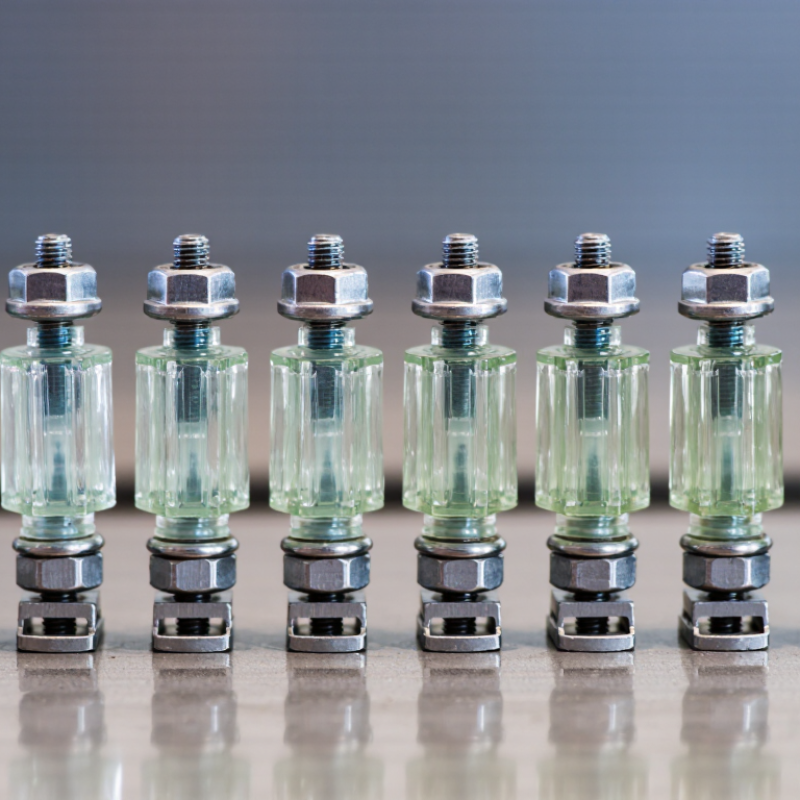
U240B suspension glass isolators are cap-and-pin units used in overhead-line strings. The “240” generally identifies a 240 kN mechanical failing-load class; “B” denotes a ball-and-socket connection. Confirm the exact designation against the applicable IEC 60305 specification and product test records. That rating is a mechanical benchmark, not a promise of safe working load. String design must also account for voltage, wind, ice, conductor weight, and required safety factors.


Glass has a practical advantage: cracks and chips are often easier to spot during ground or close-up inspection. A damaged disc can also be replaced individually. But visibility is not a substitute for inspection. Salt, industrial deposits, and persistent rain can alter surface performance, so buyers should compare creepage distance and pollution suitability, not just load rating. The IEA’s 2023 report, Electricity Grids and Secure Energy Transitions, says annual grid investment needs to rise above USD 600 billion by 2030. That expansion makes dependable line hardware increasingly important, though the figure is not specific to insulators. CIGRE’s technical guidance on overhead-line insulators likewise emphasizes service conditions and ageing. Details matter. A small mismatch in coupling or string design can become an expensive field problem.

How Suspension Glass Isolators Are Designed and Rated

10 Best U240B Suspension Glass Isolators for Buyers

How Suspension Glass Isolators Are Designed and Rated

Suspension glass isolators support a glass panel while allowing controlled movement between the glass and its frame. Their design balances load capacity, flexibility, and damping. A resilient suspension element limits vibration transfer, while the glass and fittings must share loads without creating concentrated stress. Edges, holes, and contact points deserve close attention. Small details matter. The U240B designation may refer to a specific product configuration, so buyers should confirm what it means in the supplier’s documentation.

Ratings should be checked against the actual installation, not read as a simple pass-or-fail number. Review the permitted load per isolator, expected deflection, vibration range, temperature limits, and mounting conditions. Then account for panel weight, spacing, wind or operational forces, and the number of supports. A rating from a test setup may not match a real assembly. That distinction is easy to miss. Where possible, compare test data with the planned glass thickness and frame geometry, and ask how performance changes under repeated loading.

Tips: Check load figures and test conditions together. Inspect pads and fasteners for uneven contact. Leave room for movement, but do not guess the clearance. If the specification is unclear, pause and request written confirmation; a tidy-looking fit is not proof of correct isolation.

Key Factors for Choosing a U240B Isolator

Choosing a U240B suspension glass isolator starts with the load, not the catalogue photo. Check the supported weight per isolator and how that weight is distributed. Uneven loading can leave one mount compressed while another barely works. Measure the available height and mounting footprint, too; a few millimetres can matter when clearance is tight.

Match the isolator’s working deflection to the equipment’s vibration range. Ask for load-deflection data and, where available, natural-frequency information rather than relying on a model name alone. A mount that is too stiff may transmit vibration, while excessive movement can affect alignment. Check operating temperature, humidity, and exposure to oils or cleaning fluids. Glass components also need careful handling and inspection for chips or cracks. Small flaws matter.

Confirm connection details, installation direction, and any recommended preload with the supplier or technical documentation. Then compare the stated ratings with the actual operating conditions, including start-up loads and occasional shocks. I would not assume every U240B unit behaves identically across applications; tolerances and installation can change performance. That uncertainty is worth testing. A simple trial with vibration measurements can reveal whether the selected isolator reduces movement where it matters.

10 Best U240B Suspension Glass Isolators for Buyers — Key Factors for Choosing a U240B Isolator

Compare nominal mechanical failing-load classes. The U240B designation corresponds to a 240 kN class; select an insulator only after checking that its electrical ratings, creepage distance, coupling, and environmental suitability match the line design.

Nominal mechanical failing load is a class rating, not a recommended operating load. Confirm product specifications and applicable standards before purchase.

Comparing 10 U240B Suspension Glass Isolators for Buyers

10 Best U240B Suspension Glass Isolators for Buyers
Comparing 10 U240B Suspension Glass Isolators for Buyers

Comparing ten U240B suspension glass isolators is most useful when every unit is checked against the same documented requirements. Start with the product drawing and datasheet, then verify dimensions, rated mechanical load, electrical characteristics, and connection details. Do not assume two insulators are interchangeable because they share a designation. Small differences in fittings or manufacturing records can affect installation and compatibility.

Inspect each glass shell for visible chips, cracks, or unusual surface marks, and check metal fittings for corrosion or distortion. These observations help screen candidates, but a visual check cannot confirm internal condition or performance. Ask suppliers for traceable test records and batch information. Compare the documents, not just the quoted price. If specifications are missing, pause and request clarification; I have seen a tidy listing leave basic questions unanswered.

Tips: Keep a ten-row comparison sheet. Record dimensions, test documentation, condition, delivery details, and any open questions. Confirm selection with a qualified engineer using the actual line design and applicable project requirements. A neat table helps, though it cannot replace a proper technical review.

Installation, Inspection, and Maintenance Considerations

Before installing a U240B suspension glass isolator, check the equipment drawings and supplier instructions for its rated load, orientation, and required clearances. Confirm that the supporting surfaces are clean, level, and free of burrs. Even a small metal fragment can create uneven contact. Handle the glass carefully, and do not force it into a tight opening. A rushed fit can hide a problem.

After installation, inspect the isolator under good lighting. Look for chips, cracks, uneven seating, or contact with nearby parts. Check that fasteners are secure and that connected components do not pull the isolator sideways. If you find damage or are unsure whether movement is normal, pause operation and consult a qualified technician. Do not improvise.

Set a regular inspection interval based on operating conditions, vibration, and the equipment maker’s guidance. Dust, moisture, and repeated movement can change what you see over time. Record dates, observations, and any adjustments; a simple log helps reveal gradual changes. Clean only with methods approved for the assembly, and avoid abrasive tools that could scratch the glass. One imperfect habit is worth questioning: visual checks alone may miss a developing issue, so include functional checks when the equipment is safely shut down.

Back to top