What Are the Best Materials for Restroom Stall Walls?
Restroom Stall Walls are essential in any public facility. They provide privacy and create a hygienic space. Choosing the right materials for these walls is crucial. Industry experts emphasize durability and maintenance in their recommendations. According to a report by the International Restroom Association, nearly 70% of users prioritize cleanliness.
Tom Houghton, a leading figure in restroom design, states, "The choice of restroom stall walls can significantly impact user experience." His insights highlight the importance of selecting non-porous materials that resist moisture and stains. Each restroom faces unique challenges, such as high traffic and vandalism.
Many facilities opt for laminate or phenolic materials due to their resilience. However, some may not consider the long-term costs of maintenance. Often, choices are made based on initial price rather than durability. This can lead to unexpected repairs and increased expenses. In the end, restroom stall walls should not only serve a functional purpose but enhance the overall user experience.
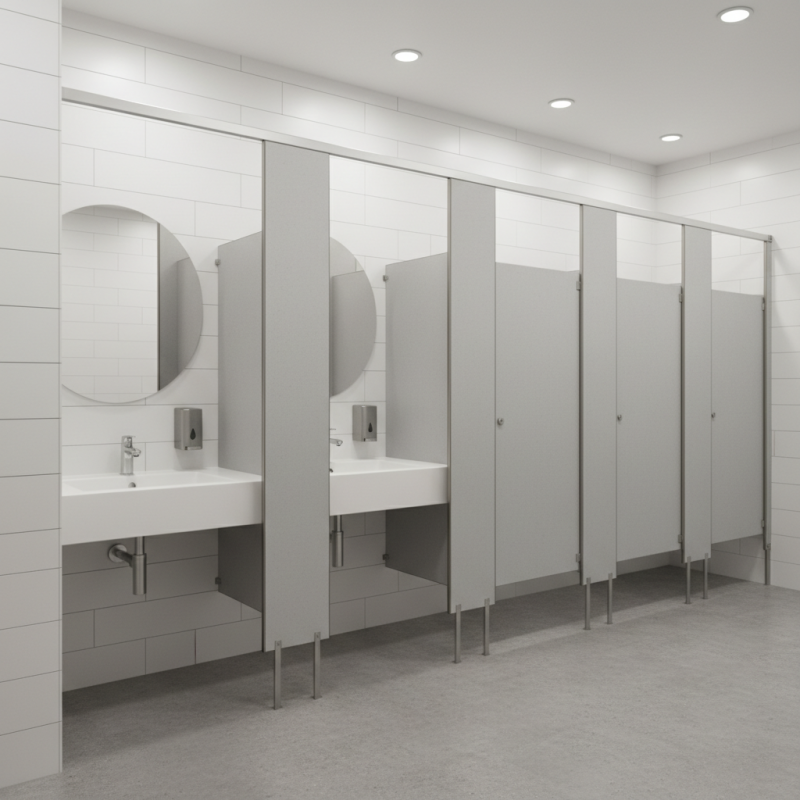
Types of Materials Commonly Used for Restroom Stall Walls
When considering restroom stall walls, various materials stand out. Popular options include high-density polyethylene (HDPE), stainless steel, and phenolic. Each material has its unique advantages.
HDPE is lightweight and resistant to mold and mildew. It's a common choice for public restrooms due to its durability. Statistics show that nearly 40% of restroom stalls in commercial facilities use HDPE. However, some users report that HDPE scratches easily, which can detract from its appearance.
Stainless steel offers a sleek look and is easy to clean. It's not as commonly used as HDPE, but it accounts for about 25% of restroom stalls. The downside? It can be prone to dents and has a higher initial cost.
Phenolic is another solid option. This material is often selected for its resistance to impact and chemicals. It's durable and offers a modern feel. However, the installation process can be complex, leading to higher labor costs.
Tips: Always consider the environment where the stalls will be installed. For high-traffic areas, prioritize durability and easy maintenance. Additionally, think about aesthetics. The right choice can elevate the restroom design. Remember, the material shouldn't just be functional; it should be inviting, too.
Durability Considerations for Restroom Stall Wall Materials
When choosing materials for restroom stall walls, durability is crucial. High traffic and moisture expose walls to wear and tear. Materials must withstand constant use and cleaning. Sturdy options can resist scratches and dents. Steel and fiberglass are popular for their strength. However, some steels may rust, needing careful treatment to prevent corrosion.
Wood offers an aesthetic appeal but can be problematic. Water damage can warp or rot it over time. Bamboo is a sustainable choice but also requires attention to moisture. Another option is solid plastic. It resists mold and mildew, making it a smart choice for humid environments. However, this material might fade or scratch, raising concerns for long-term use.
Reflecting on these choices, a balance between aesthetics and functionality is vital. Each material has strengths but also weaknesses. Regular maintenance is often overlooked, impacting the lifespan of the stalls. Careful consideration of the environment and traffic levels is necessary. Finding the right material can be challenging, and it requires ongoing assessment.
Best Materials for Restroom Stall Walls: Durability Comparison
Cost Efficiency of Various Restroom Stall Wall Options
When selecting restroom stall wall materials, cost efficiency is key. Common options include laminate, stainless steel, and solid plastic. Laminate is often the cheapest. It’s lightweight and easy to install, but can wear out quickly. Stainless steel offers better durability, but its cost is significantly higher.
Solid plastic strikes a balance. It resists moisture and wear, making it a long-lasting choice. While the initial investment may be higher, its lifespan often leads to lower maintenance costs.
Sometimes, choosing a less durable material can lead to frequent replacements, wasting budgets over time.
Tips: Consider your restroom traffic. High-traffic areas might benefit from sturdier options. Regular maintenance is also crucial. Inspect stall walls for signs of wear. Address small issues before they become bigger problems. Investing wisely in materials can save funds long-term.
Aesthetic Factors Influencing Material Selection for Stall Walls
Choosing the right materials for restroom stall walls plays a crucial role in both functionality and aesthetics. A well-designed restroom can significantly impact user experience. According to industry reports, aesthetics account for 70% of customer satisfaction in public restrooms. Key aesthetic factors include color, texture, and finish.
When selecting materials, consider the overall theme of the space. Bright colors may energize a modern facility, while muted tones create a calming atmosphere. Texture adds depth; smooth finishes can feel sleek, while textured surfaces may offer a warm and inviting touch. Additionally, the choice of materials affects maintenance. For instance, non-porous surfaces can resist stains and are easier to clean, maintaining their visual appeal over time.
Tips: Use colors that complement your design. Neutral hues often provide versatility. Include signage that matches the stall wall material to enhance coherence. Remember, while aesthetics are crucial, durability and hygiene must not be overlooked. Seeking a balance between looks and function can often lead to overthinking the selection process. Users may prioritize easy maintenance over intricate designs. Reflecting on these aspects can help refine your choices, ensuring that aesthetics enhance the overall restroom experience without compromising practicality.
Maintenance Requirements for Different Restroom Stall Wall Materials
When choosing restroom stall wall materials, maintenance is a key factor. Some materials need frequent cleaning and care. For example, plastic laminate can resist stains but requires regular wipes down. If not cleaned regularly, it can show wear and tear quickly.
On the other hand, metal partitions are durable. They can withstand heavy use and are often resistant to vandalism. However, metal can rust if not properly maintained. Regular inspections are essential to catch any signs of corrosion. Concrete and solid plastic materials offer more durability. They require less frequent maintenance but can be more challenging to clean thoroughly.
Ultimately, the choice of material impacts maintenance requirements greatly. Consider how often stalls will be used. High-traffic restrooms need more resilient choices. Selecting a high-maintenance material for a busy location may lead to issues. Plan for the upkeep needs of each material to ensure a clean and safe environment.



 08045479132
 Send Inquiry

 Send Inquiry
 Send SMS