What Are the Best Hypoallergenic Diapers for 2026?
Choosing the right diaper can feel harder when a baby’s skin becomes red, dry, or easily irritated. Hypoallergenic Diapers may be worth considering, but the label is not a guarantee that a product will suit every child. Babies can react differently to materials, fragrances, fit, or moisture. Even a carefully chosen diaper may not solve every skin concern.
This guide to the best hypoallergenic diapers for 2026 will compare practical details parents can check: ingredient and material disclosures, fragrance claims, absorbency, fit, sizing, and everyday cost. A soft waistband and snug leg cuffs matter, too; gaps can lead to leaks, while a tight fit may leave marks. Small details count. We’ll distinguish manufacturer claims from features shoppers can verify, and avoid treating “hypoallergenic” as a medical certification. Product formulas can change, so checking the current package is sensible. Comparisons also have limits: a diaper that works well overnight for one baby may feel uncomfortable during a warm afternoon for another. That’s worth remembering. Persistent or severe irritation deserves advice from a qualified healthcare professional, especially when a rash worsens or does not improve. The aim is not to promise a perfect diaper. It is to help families compare options with clearer expectations, notice relevant trade-offs, and choose a product that fits their baby and routine.
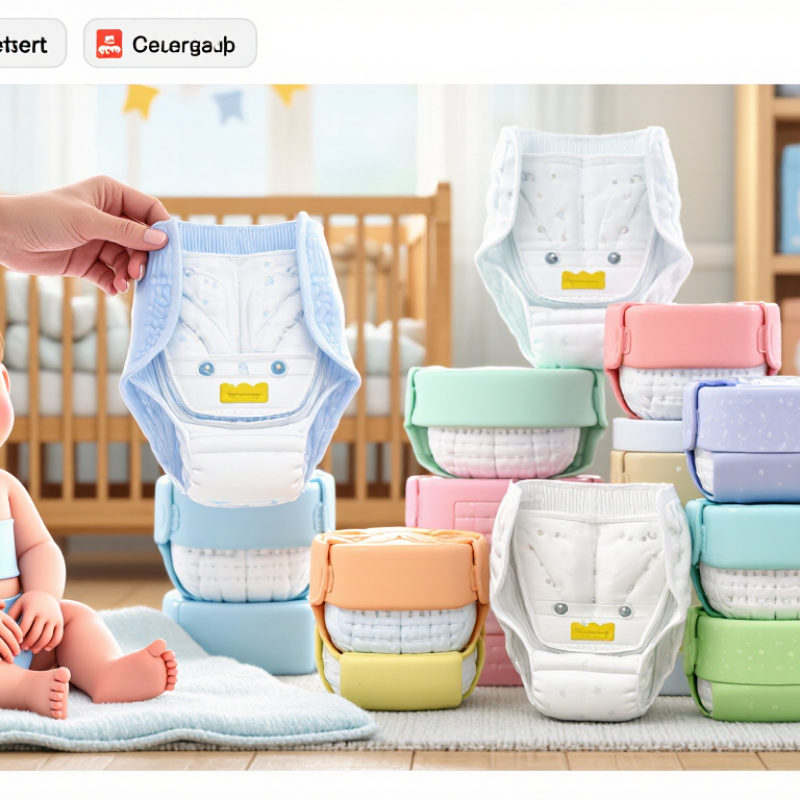
What Makes a Diaper Hypoallergenic?
A hypoallergenic diaper is designed to reduce common sources of irritation, not to promise that every baby will tolerate it. The term does not guarantee a product is allergy-proof. Check the packaging for clear information about materials and added ingredients. Fragrance, lotions, dyes, and certain adhesives may bother sensitive skin, though reactions differ from baby to baby.
Look beyond the front label. A soft inner layer can feel gentle, but a diaper also traps warmth and moisture against the skin. A snug waistband or leg opening may rub during crawling, even when the materials seem suitable. Fit matters. Notice whether redness appears where the diaper touches, and whether it improves after switching products. One change at a time makes patterns easier to spot, though real life does not always cooperate.
For 2026, favor options with straightforward ingredient disclosures and no added fragrance if your child has reacted to scented products before. “Sensitive skin” wording alone tells you little. No label is perfect. If a rash persists, worsens, or looks painful, stop using the suspected diaper and ask a pediatrician for guidance. A diaper described as hypoallergenic can still trigger irritation, so your child’s skin remains the most useful signal.
What Are the Best Hypoallergenic Diapers for 2026? — What Makes a Diaper Hypoallergenic?
How to use this guide: There is no single diaper feature that guarantees a product will suit every child. Compare the product’s stated ingredients and materials, and consider your child’s past sensitivities, fit, and skin response.
Materials and Ingredients to Check in 2026
What Are the Best Hypoallergenic Diapers for 2026?
Materials and Ingredients to Check in 2026
“Hypoallergenic” does not mean allergy-proof. Check the full materials list, not just the front label. Look for fragrance, added lotions, dyes, natural rubber latex, and adhesive components if your baby has sensitive skin. Plant-based extracts can also irritate some babies. Sodium polyacrylate, the absorbent gel material, is not automatically a problem; individual reactions vary. A 2014 review in Clinical Dermatology reported diaper-dermatitis prevalence estimates of 7–35%, depending on the study and age group (Klunk et al., 2014). That figure covers rashes broadly, not confirmed ingredient allergies. Important distinction.
Tips: Choose fragrance-free diapers with clear ingredient disclosures. Try one diaper at a time, and note redness around the waist, leg cuffs, or areas touching the wet core. Keep the packaging to compare materials. “Chlorine-free” alone does not prove a diaper will be gentler; fit, moisture, and frequent changes matter too.
Labels can leave questions unanswered, especially about inks, bonding agents, or processing aids. If irritation keeps returning, pause the suspected product and ask a pediatric clinician about possible causes. A persistent rash may need assessment; it is not always an allergy. Avoid testing several new products at once, even when the ingredients look similar.
What Are the Best Hypoallergenic Diapers for 2026?
Materials and ingredients to check on the label
The 1–5 scores are an editorial checklist priority, not measured allergy rates or a clinical safety ranking. Check packaging or the manufacturer’s ingredient information for fragrance or parfum, added lotions, preservatives, colorants, and latex or rubber components. “Hypoallergenic” does not guarantee that a product will suit every baby.
How to Compare Hypoallergenic Diapers
To compare hypoallergenic diapers, look past the front label. “Hypoallergenic” does not guarantee that a diaper will suit every baby’s skin. Check the materials and ingredient disclosures for fragrance, lotions, dyes, and other potential irritants. A clinical review in Skin Pharmacology and Physiology (2014) reported diaper-dermatitis prevalence estimates ranging from 7% to 35%, with results varying across studies. That wide range is a reminder: skin reactions have several possible causes, so one product change may not explain everything.
Fit matters. A diaper that gaps at the legs can leak, while a tight waistband may rub red marks into the skin. Compare absorbency by checking whether the surface feels damp after use and whether leaks occur during naps or overnight. Try one change at a time, and note the diaper type, rash location, and timing for several days. Not perfect, but useful. If your baby has recurring or severe irritation, ask a pediatric clinician; a rash can have causes beyond diaper materials. Labels can narrow your choices, but your baby’s skin is the real test.
Top Hypoallergenic Diapers for Different Needs
What Are the Best Hypoallergenic Diapers for 2026?
Top Hypoallergenic Diapers for Different Needs
The right diaper depends on your baby’s skin, routine, and fit. For easily irritated skin, look for fragrance-free diapers with a clear ingredient list and a soft inner surface. The American Academy of Pediatrics’ HealthyChildren.org reports that more than half of babies aged 4 to 15 months experience diaper rash at least once over a two-month period. That figure makes gentle care worth considering, but it does not prove that one diaper suits every baby. Hypoallergenic is not a guarantee. A snug waist and leg openings can help limit leaks, while a diaper that feels tight may rub during crawling.
For overnight use, prioritize absorbency and check the fit before sleep; a damp diaper can aggravate already sensitive skin. For frequent changes or warm weather, a lighter, breathable-feeling option may be more comfortable. Change diapers promptly after bowel movements, and try one new product at a time. That makes a reaction easier to track. Skin can still react to materials even when a product is labeled hypoallergenic.
Tips: Test a small pack first. Note redness, leaks, and comfort for several days. If a rash persists, worsens, or looks painful, ask a pediatric clinician rather than switching products repeatedly. The label helps; observation matters more.



 08045479132

 Send Inquiry


 Send Inquiry
 Send SMS

