| Engine and ignition system | Engine code, model year, cylinder head, and ignition-system specification | Start with the engine manufacturer’s parts catalog or service manual. Plug fit and operating requirements are engine-specific, even among engines using CNG. |
| Plug type | Required plug construction and application approval | Use a plug type explicitly specified or approved for the engine. A gasoline-engine plug is not automatically suitable for a CNG conversion or a dedicated natural-gas engine. |
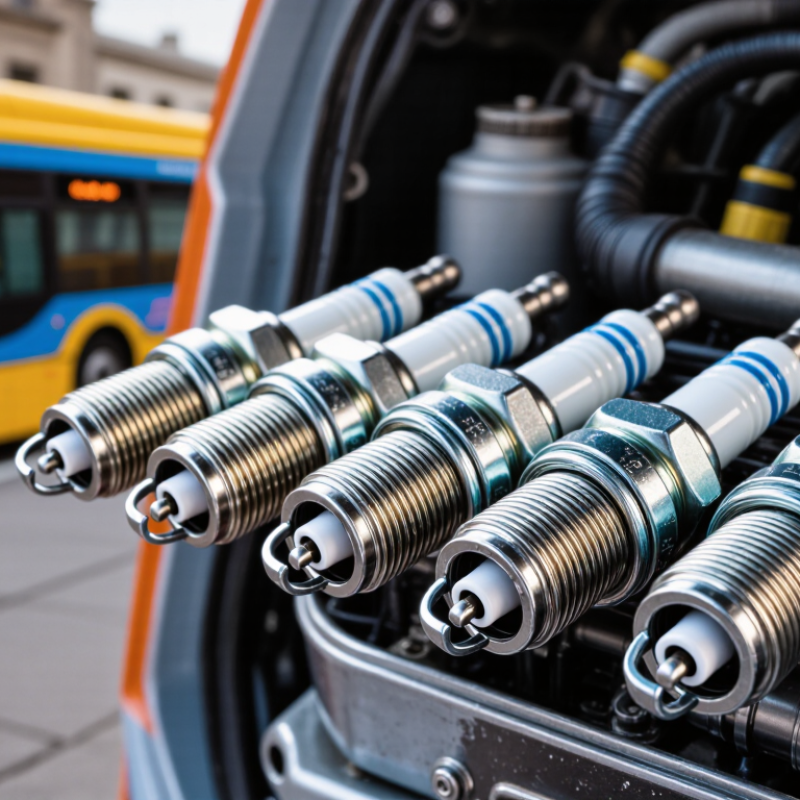
| Thread diameter and pitch | Exact thread dimensions | Match the specified diameter and pitch precisely. An incorrect thread can damage the cylinder-head threads or prevent proper installation. |
| Reach and seat | Thread reach and gasket-seat or taper-seat design | Match both dimensions and seat style to the cylinder head. A plug that is too long can protrude into the combustion chamber; one that is too short can impair combustion and heat transfer. |
| Heat range | Engine-approved heat range for the duty cycle | Choose the specified range rather than assuming that CNG always requires a hotter or colder plug. The correct range depends on engine design, load, combustion temperature, and operating conditions. |
| Spark gap | Specified gap and whether adjustment is permitted | Set or retain the gap stated for the engine and ignition system. Do not apply a universal CNG gap value; excessive gap can increase the voltage demand on the ignition system. |
| Electrode material and design | Approved electrode material, tip shape, and construction | Fine-wire precious-metal designs can support a smaller, concentrated spark area and may offer longer electrode life in applications that approve them. Select by engine specification, not material alone. |
| Resistor specification | Whether a resistor plug is required and its specified resistance | Follow the engine and vehicle electrical-system requirements. Resistor plugs help limit radio-frequency interference, but the required design must remain compatible with the ignition system. |
| Ignition-system condition | Coils, leads, connectors, and insulation condition | CNG mixtures can place substantial voltage demand on the ignition system. Inspect the complete ignition system if there is misfiring, hard starting, or power loss; a new plug may not resolve an underlying fault. |
| Operating duty | Route profile, idle time, load, and start frequency | Consider the bus’s actual service conditions when following inspection and replacement schedules. Severe-duty operation may require more frequent checks if the engine manufacturer specifies them. |
| Service interval | Manufacturer’s inspection and replacement schedule | Use the interval specified for the exact engine and approved plug. Do not assume one universal replacement interval for all CNG buses or plug materials. |
| Installation and maintenance | Specified torque, clean threads, and correct installation procedure | Install into a clean cylinder-head seat and use the specified torque. Incorrect torque can affect heat transfer, sealing, or thread integrity; follow the engine service procedure. |
| Final fitment verification | Part number cross-reference and dimensional match | Before installation, verify the replacement against the engine manufacturer’s specification for thread, reach, seat, heat range, gap, and resistor requirement. |



 08045479132

 Send Inquiry


 Send Inquiry
 Send SMS

