Best Cnc Router Cutting Machines for Efficient Woodworking?
In recent years, the woodworking industry has seen a significant shift towards automation. The demand for precision and efficiency has led many craftsmen to invest in advanced tools. Among these, the CNC Router Cutting Machine stands out. According to a study by MarketsandMarkets, the CNC machine market is projected to reach $117 billion by 2025. This growth reflects a growing reliance on CNC technology for accuracy in woodworking tasks.
CNC Router Cutting Machines offer remarkable benefits. They reduce human error and enhance productivity. These machines allow for intricate designs that manual cutting cannot achieve. However, reliance on technology can have drawbacks. With increased automation, there is a risk of losing traditional craftsmanship. Additionally, the initial cost of CNC machines can be daunting for small businesses.
While some may view the transition to CNC technology as purely positive, it raises questions about skill development in the industry. Will future woodworkers lack the hand skills that define the trade? Balancing innovation and tradition remains a crucial challenge. As we explore the best CNC Router Cutting Machines available, it's vital to consider both their advantages and the potential impacts on woodworking craftsmanship.
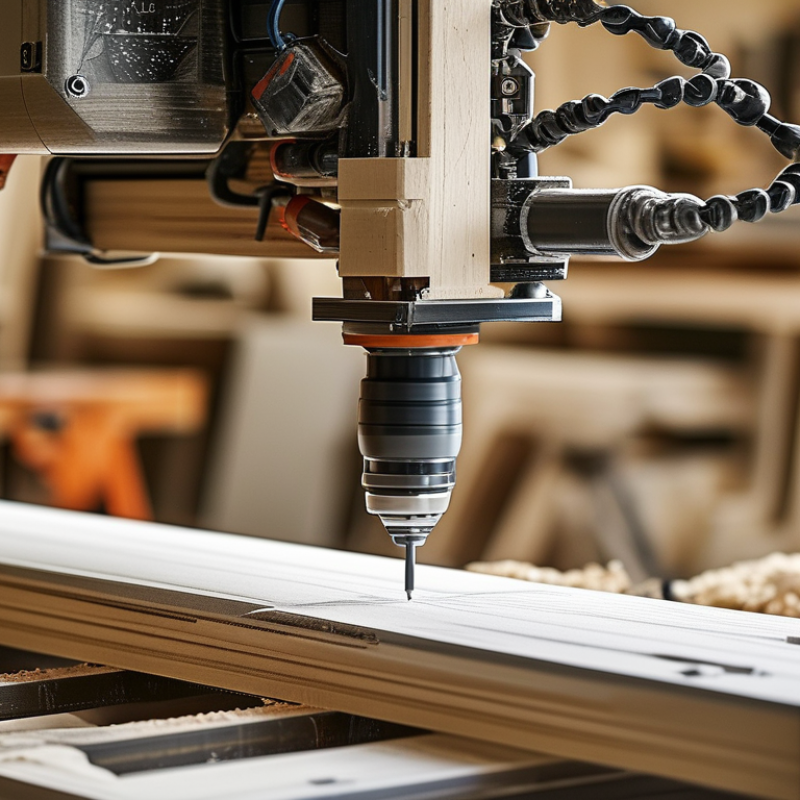
Understanding CNC Router Cutting Machines in Woodworking
CNC router cutting machines are revolutionizing woodworking. These sophisticated tools utilize computer-aided design (CAD) software to create intricate designs with precision. A CNC router can carve, engrave, and cut various materials, including wood, plastic, and composites. This versatility makes them ideal for a wide range of woodworking projects, from furniture to decorative pieces.
Understanding how these machines operate is crucial for achieving excellent results. The process begins with designing a model in CAD software. The machine then translates this design into movements. Although it sounds simple, it requires careful calibration. Users must measure dimensions accurately and set the correct parameters. Mistakes in these steps may lead to wasted materials and time. Experimentation is common, and learning often occurs through trial and error.
Another important consideration is the software interface. Some users may find it challenging to navigate. A user-friendly interface makes a significant difference in efficiency. Investing time in training can improve skill levels. However, even experienced users can run into problems, so patience is key. Embracing these challenges with a problem-solving mindset fosters growth in the woodworking craft.
Key Features to Look for in CNC Router Cutting Machines
When choosing a CNC router cutting machine, it's crucial to consider key features. Focus on the spindle power, as it determines cutting efficiency. A higher spindle power can improve cutting speed, especially for thicker materials. Look for machines with variable speed settings. This flexibility helps achieve better results on different materials and thicknesses.
Also, consider the size of the cutting area. A larger workspace allows for handling bigger projects. Measure your typical workpieces before deciding on dimensions. Many users overlook their actual needs, which can lead to frustration in the long run.
Tips: When selecting a machine, always assess its build quality and stability. Inadequate stability can result in compromised cuts. Consider also the software compatibility, as this directly affects the ease of use.
Pay attention to customer reviews regarding ease of assembly and maintenance. Some machines require extensive setup that may deter beginners. Checking online forums can provide insights into common pitfalls and troubleshooting tips.
Top Brands and Models for Efficient Woodworking
When selecting the best CNC router cutting machines for woodworking, one must consider important features. High-quality machines improve precision and reduce waste. Research by the Association for Manufacturing Technology indicates that CNC machines can boost productivity by up to 30%. This allows woodworkers to achieve cleaner cuts and greater efficiency.
Brands recognized in the field typically focus on reliability and support. Many models come equipped with advanced software for easier programming. Simple user interfaces enhance usability for both beginners and experts. In fact, a report from Freedonia Group suggests that the demand for CNC machinery in woodworking is expected to rise by 4% annually.
Despite these advancements, woodworkers still face challenges. Calibration can be tricky, impacting accuracy. Maintenance routines are necessary for optimal performance. Oversights in regular checks can lead to costly delays. Therefore, careful consideration of machine specifications and consistent upkeep are vital for success in woodworking projects.
Comparative Analysis of CNC Router Performance
When choosing a CNC router for woodworking, performance is critical. Industry reports indicate that the machine's speed significantly affects productivity. High-performance CNC routers can operate at speeds up to 180 inches per minute. In contrast, lower-end models may struggle at only 50 inches per minute. This disparity can lead to a 250% difference in project turnaround time.
Precision is another vital aspect. A reliable CNC router should deliver tolerances within 0.01 inches. Machines that fail to meet this standard can lead to costly mistakes. Many woodworkers test their CNC routers by cutting intricate designs. They often find that even a small deviation can compromise the aesthetic and structural integrity of the final product.
Maintenance and durability are additional factors for consideration. Unfortunately, many users overlook routine maintenance. This oversight can result in decreased efficiency and increased repair costs over time. Reports show that up to 30% of CNC users experience mechanical failures due to poor upkeep. Selecting a machine that is both easy to maintain and built to last is imperative for long-term success in woodworking endeavors.
Maintenance Tips for Prolonging CNC Router Life Span
CNC routers are essential for precision woodworking. However, maintenance is often overlooked. Regular care can significantly extend their lifespan. According to industry reports, proper maintenance can reduce operational costs by up to 30%. Keeping machines in top shape ensures accuracy and efficiency.
Cleaning is a crucial first step. Dust and debris can affect performance. It’s recommended to clean the router after every use. Regularly inspect the spindle and other moving parts. Lubrication should happen every month. Neglecting these can lead to mechanical failures.
Another important aspect is software updates. Outdated software can hinder performance. Keeping the systems updated can improve functionality and security. Training operators on maintenance procedures is equally vital. Many users underestimate the importance of knowledge. A well-informed operator can prevent damage from improper use. Investing time in training pays off in the long run.
Best Cnc Router Cutting Machines for Efficient Woodworking? - Maintenance Tips for Prolonging CNC Router Life Span
| Machine Model | Cutting Area (mm) | Max Speed (mm/min) | Spindle Power (kW) | Weight (kg) | Customer Rating (out of 5) |
| Model A | 1200 x 1200 | 24000 | 3.0 | 80 | 4.5 |
| Model B | 1500 x 1000 | 30000 | 2.2 | 90 | 4.7 |
| Model C | 1000 x 800 | 20000 | 1.5 | 70 | 4.2 |
| Model D | 2000 x 1500 | 32000 | 4.5 | 130 | 4.8 |



 08045479132
 Send Inquiry

 Send Inquiry
 Send SMS