What Are the Benefits of Single Herb Granules?
Single Herb Granules have gained popularity in recent years. These granules offer the unique benefits of traditional herbal medicine in a convenient form. Dr. Lisa Chen, an expert in herbal pharmacology, states, "Single Herb Granules represent a bridge between ancient wisdom and modern needs."
These granules allow for precise dosing and ease of use. Users can enjoy the effects of individual herbs without the need for complex preparations. For those new to herbal remedies, this can be a welcoming entry point. A diverse range of herbs is available, each with its specific benefits. However, the quality of granules can vary, so it's essential to choose wisely.
Despite their advantages, some users may feel overwhelmed by the choices. Not all granules are made equal, and understanding the source is critical. There is always a risk of contamination or ineffective formulations. Reflecting on these points can help users make informed decisions. Embracing Single Herb Granules is an exciting journey, but caution is necessary.
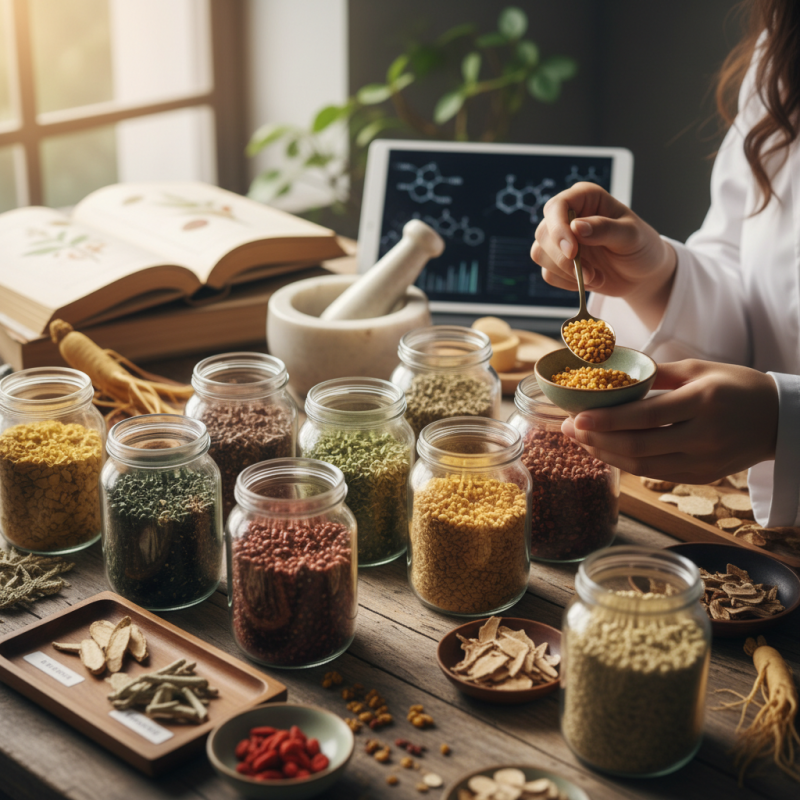
Overview of Single Herb Granules and Their Usage
Single herb granules are a notable trend in the realm of traditional medicine. These granules provide a convenient way to incorporate herbal remedies into daily routines. They offer a concentrated form of herbs, making them easier to use than raw herbs or traditional decoctions. According to industry reports, single herb granules have gained popularity, with a market growth rate of over 15% annually. This surge reflects a growing interest in natural solutions for health and wellness.
Herbal medicine practitioners frequently highlight the ease of dosage with single herb granules. Users can easily measure the appropriate amount for their needs. For instance, a common recommendation is 1-3 grams per serving, depending on the herb's potency. This precise dosing can enhance safety and effectiveness. However, it is crucial to understand that not all herbs are suitable for everyone. Individual reactions can vary.
Moreover, single herb granules have shown promise in clinical studies. Research suggests they may support various health functions, from immune support to stress reduction. But caution is necessary. Users must research the herbs’ properties and possible interactions with medications. Ignoring these factors could lead to unexpected side effects. Therefore, a thoughtful approach is essential when integrating single herb granules into one’s health regimen.
Nutritional Benefits of Single Herb Granules
Single herb granules offer numerous nutritional benefits that can enhance your overall health. These granules are concentrated extracts of specific herbs, often known for their therapeutic properties. They are rich in vitamins, minerals, and antioxidants, making them a potent addition to a balanced diet.
For instance, when used in cooking or as a supplement, single herb granules can support digestion. Many herbs, like ginger or peppermint, have been used for centuries to aid digestion. They can soothe stomach discomfort and promote gut health. Additionally, these granules are often easy to incorporate into meals or drinks, making them a versatile choice.
Tips: Start with small amounts. Gradually increase to find what works for you. Not every herb suits everyone. Always listen to your body. Some may experience unexpected reactions.
Using single herb granules can also bolster your immune system. Herbs like echinacea have shown potential in strengthening immune responses. They may help your body fend off common illnesses. However, it's essential to remember that herbal remedies should complement a healthy lifestyle. They aren't a substitute for medical advice.
Tips: Consult with a healthcare professional before starting any new herbal supplement. Take note of any changes in how you feel. Being aware promotes better choices.
Comparison with Other Herbal Preparations
Single herb granules have gained popularity in the herbal medicine landscape. Their formulation allows for concentrated doses of specific plant benefits. In comparison to traditional herbal preparations, like decoctions or tinctures, they offer convenience and potency. Studies indicate that single herb granules can retain up to 90% of the active compounds found in raw herbs, making them effective for targeted health goals.
However, it's crucial to consider the consistency of quality. Many granules may vary in strength due to differences in sourcing and processing methods. A recent industry report highlighted a 20% variance in active ingredients among similar products. Such discrepancies underline the importance of quality control and standardization. Some users have expressed concerns about taste and texture, finding granules less palatable than liquid forms.
In contrast, herbal tinctures provide unique advantages such as ease of absorption. They can be more suitable for those seeking immediate effects. Despite this, granules still offer a viable option for individuals preferring a less intrusive method. Each herbal preparation has its pros and cons. It’s essential for consumers to reflect on their personal preferences and health needs when choosing between them.
Benefits of Single Herb Granules Compared to Other Herbal Preparations
Health Benefits Associated with Specific Herbs
Single herb granules offer a range of health benefits associated with various specific herbs. For instance, ginger is renowned for its anti-inflammatory properties. A study published in the Journal of Medicinal Food indicates that ginger can reduce muscle pain and soreness. This makes it a popular choice for athletes and those recovering from injuries.
Another herb, ginseng, is often linked to energy enhancement. Data from the National Institutes of Health shows that ginseng can improve cognitive function and reduce fatigue. Many herbalists recommend it for those experiencing low energy levels or chronic fatigue. However, it’s essential to monitor the intake, as excessive use may lead to insomnia or jitteriness.
Tips: When using single herb granules, always consider personal tolerance levels. Start with a small amount to gauge your body's reaction. Additionally, consulting with a healthcare professional may provide insights tailored to your health needs. Remember that herbal remedies are not a substitute for medical advice. It's crucial to maintain a balanced approach to wellness.
What Are the Benefits of Single Herb Granules? - Health Benefits Associated with Specific Herbs
| Herb Name | Health Benefits | Traditional Uses | Scientific Research |
| Ginger | Anti-inflammatory, aids digestion, alleviates nausea | Commonly used for digestive issues, colds, and flu | Studies show effectiveness in reducing muscle pain and soreness |
| Turmeric | Antioxidant, anti-inflammatory, improves brain function | Used in traditional medicine for various inflammatory conditions | Research indicates potential in reducing heart disease risk |
| Ginkgo Biloba | Enhances cognitive function, improves circulation | Traditionally used for memory enhancement and improving blood flow | Studies show improvements in dementia and cognitive decline |
| Ashwagandha | Reduces stress, enhances stamina, supports immune function | Used as an adaptogen to help the body adapt to stress | Research supports its role in reducing stress and anxiety |
| Echinacea | Boosts immune system, reduces cold symptoms | Traditionally used to prevent and treat colds and infections | Some studies suggest it can reduce the duration of colds |
Practical Considerations for Using Single Herb Granules
When considering single herb granules, practical usage is key. These granules offer a convenient way to access the benefits of herbal remedies. They are easy to use and store. Just scoop, mix with water, and consume. This simplicity makes them popular among users.
However, choosing the right herb is essential. Not every herb suits everyone. It's crucial to understand potential interactions your chosen herb might have. Some granules may conflict with medications or other herbs. Always consult with a knowledgeable person before starting.
Tips: Start with small doses. This approach helps you gauge your body’s response. Monitor any changes or side effects closely. It’s wise to keep a diary of your experiences. This will aid in discussions with healthcare providers.
Also, pay attention to how you feel after taking herbs. Not every herb will work as expected. Sometimes, a different granule or combination is needed. Don’t hesitate to adjust or experiment. Your health journey is personal and may require fine-tuning.



 08045479132
 Send Inquiry

 Send Inquiry
 Send SMS