Top 10 Benefits of Injection Molding Machine With Robot?
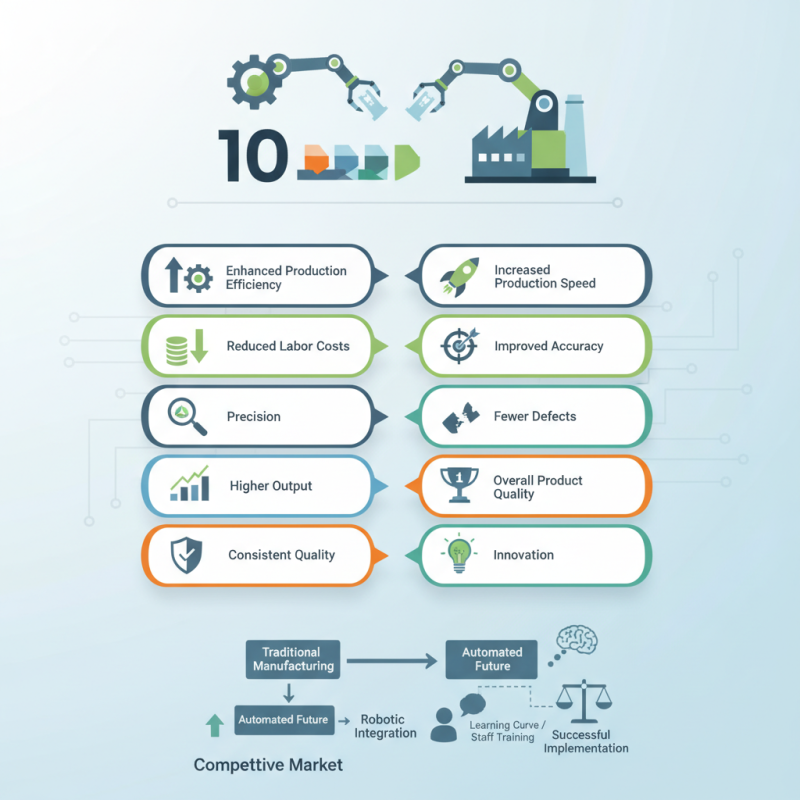
The integration of an Injection Molding Machine With Robot has revolutionized manufacturing processes. This technology enhances production efficiency and reduces labor costs. With automation, precision becomes a standard. Companies can achieve higher output without sacrificing quality.
In today's competitive market, businesses strive for innovation. An Injection Molding Machine With Robot is not just an option; it is becoming essential. However, adopting this technology can be daunting for some organizations. There may be initial resistance to change from traditional methods. This challenge, while significant, is often outweighed by the benefits.
Embracing robotic automation can enhance production speed and accuracy. The potential for fewer defects improves overall product quality. Yet, companies must also consider the learning curve involved. Staff training and adaptation to new technology require time and effort. Balancing these aspects is crucial for successful implementation.
Advantages of Injection Molding in Modern Manufacturing Techniques
Injection molding has revolutionized modern manufacturing. With advancements in technology, the integration of robotics into injection molding machines offers several significant benefits. Recent studies reveal that automated systems can increase production efficiency by up to 30%. This efficiency is crucial in competitive markets where time-to-market is everything.
Robots enhance precision and consistency. They handle the molding process with pinpoint accuracy, reducing waste and defects. According to industry reports, businesses report a 20% reduction in defective products when using robotic arms alongside injection molding machines. This reduction translates into substantial cost savings and improved brand reputation.
However, the implementation of these technologies is not without challenges. High initial investment and maintenance costs can be a barrier for smaller companies. Additionally, workforce retraining is necessary to manage these advanced systems effectively. This highlights the need for strategic planning and continuous evaluation of technology integration to ensure long-term success.
Integration of Robotics in Injection Molding Processes
The integration of robotics into injection molding processes is a game-changer. It introduces efficiency and precision to production lines. Robots can handle tasks like loading and unloading molds. This reduces human error and enhances productivity. A robotic arm can place parts accurately, ensuring consistency in product quality.
Using robots also offers flexibility. They can be reprogrammed for different tasks with ease. This adaptability is crucial in a fast-paced manufacturing environment. However, implementing robotic systems can be costly and complex. Companies must invest time in training staff to operate and maintain these robots.
Moreover, there are challenges to consider. Robots can malfunction, leading to production delays. Maintenance is essential, yet sometimes overlooked. Not every operation is suited for automation. Some processes may still require human touch. Balancing technology and human involvement is key. Effective collaboration between robots and workers can lead to better outcomes.
Increased Precision and Consistency in Production Outputs
Injection molding machines equipped with robotic arms have transformed the manufacturing landscape. One key aspect is the increased precision in production outputs. Robots can perform tasks with exceptional accuracy. They reduce human error, which is often a factor in traditional processes. This precision ensures that each product meets strict specifications.
Consistency is another significant benefit. Robots deliver uniform results across multiple production cycles. This consistency can lead to greater customer satisfaction. It reduces the need for rework or adjustments after production. However, there's a caveat. Not every application may benefit from this technology. Some intricate designs may still require manual intervention. Manufacturers must assess whether automation truly enhances their specific processes.
Incorporating robots brings a balance of benefits and challenges. While they can streamline production, initial setup costs may be high. Additionally, training staff to operate these machines requires time and resources. Continuous monitoring is essential to maintain product quality. Each production run must be carefully evaluated to maximize efficiency. This reflection can drive innovation and improvement in manufacturing practices.
Top 10 Benefits of Injection Molding Machine With Robot
Enhanced Efficiency and Reduced Cycle Times with Automation
Injection molding machines equipped with robots revolutionize the manufacturing landscape. Automation leads to enhanced efficiency. The integration of robotics significantly reduces cycle times, allowing faster production rates. Time is crucial for manufacturers. With automated systems, tasks like loading and unloading are completed swiftly and accurately. This means shorter waiting times in the production cycle.
However, there are challenges with this automation. Adapting to robotic systems can require upfront investment and training. Workers may need to learn new skills. There is also potential for mechanical failures. Such breakdowns can halt production, leading to unexpected delays. Companies must continuously evaluate and improve their processes. Not all operations see immediate benefits from automation.
Despite this, the long-term advantages are compelling. Improved consistency in product quality is often achieved. Robots can maintain meticulous tolerances, minimizing human error. This precision enhances overall productivity. Moreover, with reduced labor costs and improved output, manufacturers can remain competitive. Emphasizing automated solutions prepares businesses for future demands. Each production line can become more responsive, ultimately driving growth.
Cost Savings and Sustainability Benefits of Robotic Injection Molding
Robotic injection molding is transforming the manufacturing industry. Cost savings are a significant factor. Automated systems reduce labor costs. According to a report by Grand View Research, companies can save up to 30% on labor expenses. Robots operate efficiently and tirelessly, cutting down on overtime pay and human errors.
Sustainability is another crucial benefit. Traditional machines consume more energy. In contrast, robotic systems are designed for energy efficiency. A study from the American Society of Mechanical Engineers indicates that integrating robotics can reduce energy usage by 20-50%. This not only lowers operational costs but also lessens the carbon footprint.
However, the implementation of robotics does come with challenges. The initial investment can be high. Smaller companies may struggle to adopt such technology. Training staff on new systems is also a hurdle. Ultimately, balancing these challenges with potential savings and environmental benefits is essential for long-term success. How companies navigate these issues remains a crucial question in this evolving landscape.



 08045479132
 Send Inquiry

 Send Inquiry
 Send SMS