Top 5 Benefits of Hydroxypropyl Methyl Cellulose HPMC?
Hydroxypropyl Methyl Cellulose (HPMC) has emerged as a critical ingredient across various industries. According to a report by Market Research Future, the global HPMC market is projected to reach USD 1.42 billion by 2024, highlighting its growing importance. Industry expert Dr. Alice Turner states, "HPMC is fundamental in enhancing the performance of products in construction and pharmaceuticals."
HPMC's unique properties contribute to its versatility. One key benefit is its excellent water retention capabilities, essential for construction applications. Its ability to provide a stable mix is crucial for the durability of building materials. Additionally, HPMC acts as a thickening agent in pharmaceuticals, offering consistency and stability in formulations.
Despite its advantages, there are challenges to consider. Sourcing quality HPMC can be difficult, and not all products meet the same standards. Reflecting on these points fosters a more comprehensive understanding of Hydroxypropyl Methyl Cellulose (HPMC) and its impact across various sectors. This discussion will delve into the top five benefits of HPMC, emphasizing its importance in today's marketplace.
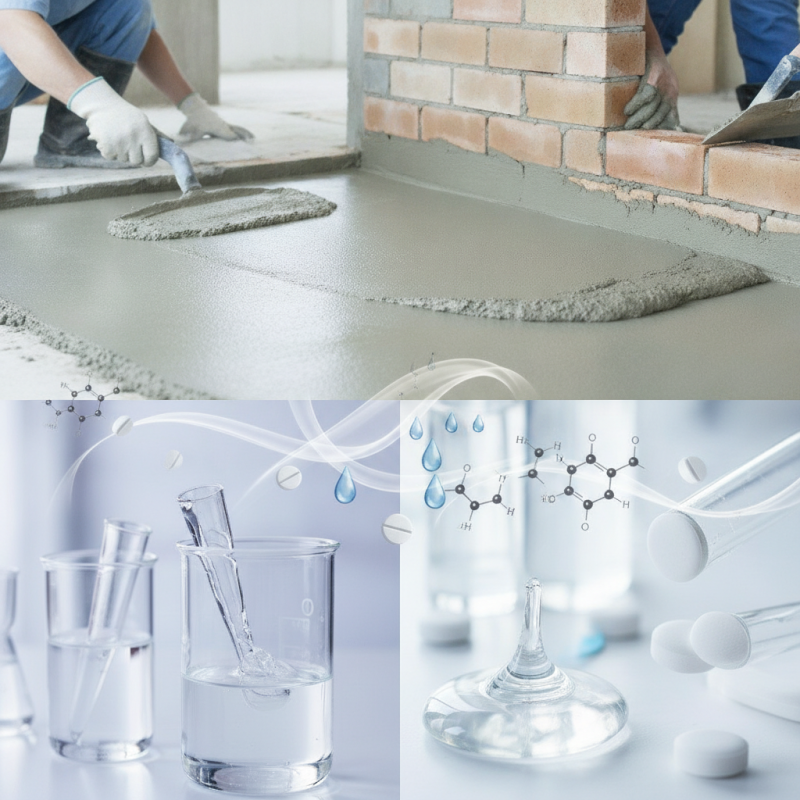
Understanding Hydroxypropyl Methyl Cellulose (HPMC)
Hydroxypropyl Methyl Cellulose (HPMC) is a versatile compound widely used in various industries. It is a modified cellulose polymer derived from natural cellulose sources. This compound has unique properties that make it invaluable in food production, pharmaceuticals, and construction materials. Its ability to form gels and films can improve stability and texture in food products, enhancing consumer experience.
In the pharmaceutical realm, HPMC serves multiple roles. It acts as a binder in tablets and as a viscosity enhancer in liquid formulations. Due to its biocompatibility, it is often used in drug delivery systems. However, not all applications of HPMC are flawless. Some users report difficulties with solubility in specific formulations. Understanding the right concentration and pH is essential for optimal performance.
In construction, HPMC acts as a water-retention agent in cement-based mortars, improving workability. This ensures better adhesion and reduced cracking. While many appreciate its benefits, others might find challenges in mixing or drying times. It's important to note that proper handling and mixing techniques can make a significant difference in outcomes. Exploring these aspects allows users to maximize the potential of HPMC in their specific applications.
Top 5 Benefits of Hydroxypropyl Methyl Cellulose HPMC
| Benefit | Description |
| Thickening Agent | HPMC is widely used as a thickening agent to improve the texture and viscosity of solutions, making it ideal for various applications. |
| Film-Forming | It acts as a film-forming agent, providing a protective layer over surfaces and enhancing the stability of products. |
| Controlled Release | HPMC allows for the controlled and sustained release of active ingredients, making it beneficial in pharmaceutical formulations. |
| Water Solubility | It is soluble in water, which helps to enhance the dispersion and solubility of other ingredients in a formulation. |
| Stabilizing Agent | Serves as a stabilizing agent in emulsions and suspensions, preventing the separation of ingredients over time. |
Key Properties of HPMC That Enhance Performance
Hydroxypropyl Methyl Cellulose (HPMC) is valued for its unique properties. Its water-retaining capabilities make it ideal for various applications. When mixed with water, HPMC forms a gel-like structure, helping to maintain moisture in products. This ability greatly enhances the stability and lifespan of formulations.
Furthermore, HPMC offers excellent film-forming properties. This creates a smooth, even layer that is beneficial in constructions. It supports adhesion in tile adhesives and mortar, contributing to overall durability. Notably, HPMC also has thickening abilities, which allow for better viscosity control in formulations. This can lead to more user-friendly products, improving application experiences.
One drawback might involve the potential for inconsistent performance in varying conditions. Variations in temperature or mix ratios can affect results. This variability calls for careful monitoring during production.
Overall, understanding the properties of HPMC is crucial. Its versatility can lead to innovative applications across multiple industries.
Health and Safety Benefits of Using HPMC in Various Applications
Hydroxypropyl Methyl Cellulose (HPMC) is widely used across various industries. Its unique properties provide significant health and safety benefits. HPMC is a non-toxic substance, making it safe for use in food and pharmaceutical products. When consumed or applied topically, it poses minimal risk to health. This characteristic is vital in a world increasingly concerned about safety standards.
In medical and cosmetic formulations, HPMC acts as a reliable thickener and stabilizer. This ensures that the final product remains safe and effective. For example, HPMC helps prevent bacterial growth in creams and gels. Its ability to form a film can enhance the product's efficacy while protecting skin integrity. However, the long-term effects of HPMC on human health remain an area for investigation.
Additionally, HPMC serves as an excellent binder in construction materials. It enhances the adhesion and workability of cement and mortar. While it significantly improves performance, the environmental impact of its production warrants consideration. In some cases, the sourcing of cellulose might lead to deforestation, highlighting the need for sustainable practices. Striking a balance between benefits and environmental responsibility is crucial for future applications.
Applications of HPMC in Food, Pharmaceuticals, and Construction
Hydroxypropyl Methyl Cellulose (HPMC) is a versatile and innovative ingredient utilized across various industries. In food applications, HPMC enhances the texture and stability of products. It acts as a thickening agent and emulsifier, allowing for creamy textures in sauces and dressings. The global market for HPMC in food is expected to reach approximately $1.5 billion by 2025 (source: Market Research Future).
In pharmaceuticals, HPMC is crucial for controlled drug release. It helps in the formulation of tablets and capsules, improving bioavailability. This property contributes to patient adherence. According to a report by Grand View Research, the pharmaceutical segment is projected to grow at a CAGR of 7.8% from 2022 to 2030. This growth reflects the increasing demand for efficient drug delivery systems.
Tip: When sourcing HPMC, ensure it meets food-grade or pharmaceutical-grade specifications, depending on your application. In construction, HPMC improves water retention and workability in plaster and mortar. However, some users report variations in batch performance. It's essential to conduct small-scale tests before large-scale application. Always consider the environmental impact of additives while making material choices.
Environmental Impact and Sustainability of HPMC Usage
Hydroxypropyl Methyl Cellulose (HPMC) is gaining attention for its environmental impact. This semi-synthetic polymer finds application in various industries, ranging from construction to food. Its production is derived from cellulose, a natural polymer, making it a more sustainable option compared to wholly synthetic substances. The renewable nature of cellulose contributes to a reduced carbon footprint.
One significant aspect of HPMC is its biodegradability. Unlike many alternatives, HPMC can break down over time. This quality minimizes waste and environmental pollution. When discarded, HPMC does not linger in ecosystems like plastics. Moreover, its versatility allows for lower quantities in formulation, reducing overall material use. Yet, as HPMC gains popularity, questions about its sourcing and manufacturing practices arise. There is a need for transparency in the supply chain.
Further research is crucial to ensure sustainable practices. While HPMC offers numerous benefits, its production must remain eco-friendly. Sustainable sourcing of cellulose is vital. We need to prioritize responsible forestry and efficient manufacturing processes. By addressing these concerns, HPMC could truly represent a significant step toward sustainability in multiple sectors.



 08045479132
 Send Inquiry

 Send Inquiry
 Send SMS