| Alloy and temper | 6063 is widely used for architectural and general-purpose extrusions; 6061 is commonly selected where higher strength is required. Temper, such as T5 or T6, affects mechanical properties. | Confirm the alloy and temper against the drawing, application, and applicable material specification. Request material test documentation for the production batch. | Alloy and temper influence strength, formability, corrosion behavior, and suitability for the intended use. |
| Profile design and tooling | Extrusion dies are designed for the required cross-section. Profile complexity, wall thickness, and dimensional requirements affect die design and production feasibility. | Ask for a design-for-manufacturing review, die ownership terms, sample approval steps, and confirmation of critical dimensions before mass production. | Early technical review can identify design constraints and reduce revisions after tooling begins. |
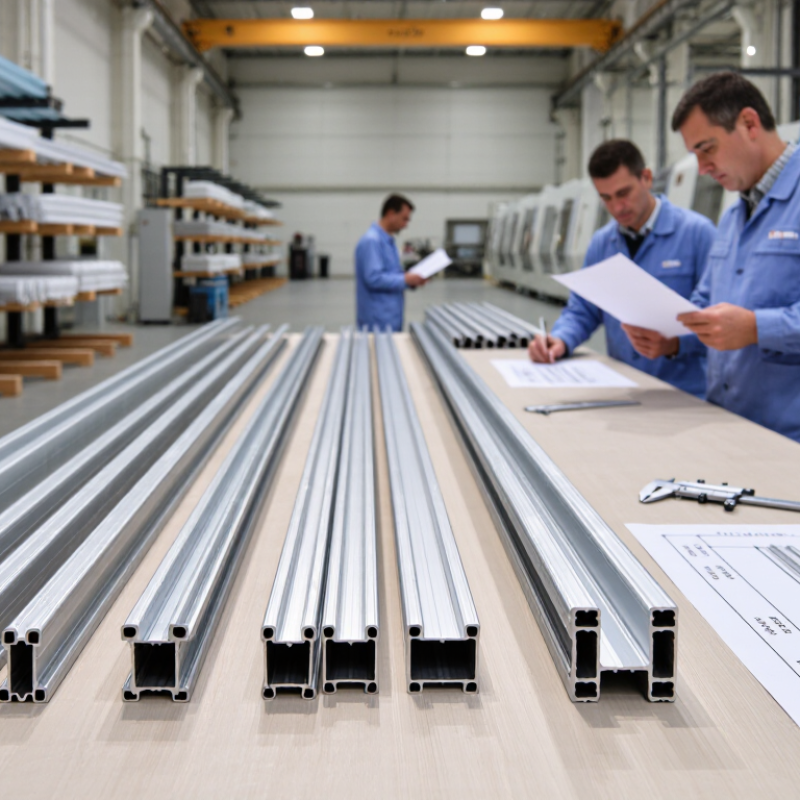
| Dimensional control | Permissible dimensions and tolerances depend on the product standard, profile geometry, and purchase specification; there is no single tolerance that applies to every extrusion. | Specify tolerances on the approved drawing and ask which inspection methods and measuring equipment are used for critical features. | Clear, agreed tolerances help ensure parts fit and function in the final assembly. |
| Product standards | China's GB/T 5237 series covers aluminum alloy building profiles, including product requirements for different surface-treatment categories. GB/T 6892 covers industrial aluminum and aluminum-alloy extruded profiles. | Identify the standard and edition required by the project, and verify that the offered product category and test documentation match it. | Using the correct standard makes product requirements and inspection criteria more precise. |
| Surface finishing | Common finishes include anodizing, powder coating, and mill finish. Appearance, coating performance, and applicable requirements differ by finish and service environment. | Specify finish type, color, gloss or appearance requirements, coating thickness or performance criteria where applicable, and the inspection method. | A complete finish specification helps align appearance and durability expectations. |
| Quality management and inspection | ISO 9001 is a quality-management-system standard. Certification alone does not establish that a particular profile meets its drawing or performance requirements. | Review the scope and validity of relevant certificates, inspection plans, traceability practices, and sample inspection records for comparable products. | Process controls and product-specific inspection evidence provide a stronger basis for evaluating consistency. |
| Fabrication and packing | Extruded profiles may require secondary operations such as cutting, drilling, machining, or assembly. Long profiles also need packaging suited to handling and transport. | Confirm the required operations, cut-length tolerances, protection between finished surfaces, bundle dimensions, and shipment packaging. | Defined finishing and packing requirements can reduce damage and extra work after delivery. |



 08045479132

 Send Inquiry


 Send Inquiry
 Send SMS