What is Akron Abrasion Tester and How Does It Work?
The Akron Abrasion Tester is crucial for assessing the wear resistance of materials. This device measures how different substances resist abrasion during testing, providing valuable insights for various industries. According to a report by TechNavio, the global abrasion testing market is expected to grow significantly, fueled by increased demand for durable materials.
Dr. Emily Carter, an expert in material science, emphasizes the importance of the Akron Abrasion Tester, stating, "Understanding material wear can lead to better product design." Her expertise underscores the relevance of this tool in developing high-performance materials. As industries face increasing pressure for sustainability, the need for reliable testing methods is more critical than ever.
However, reliance on one testing method can lead to misconceptions about material performance. The Akron Abrasion Tester offers indispensable data but should be complemented with other tests for a comprehensive analysis. Continuous improvement in testing methodologies will enhance product longevity and reliability across sectors.
What is an Akron Abrasion Tester?
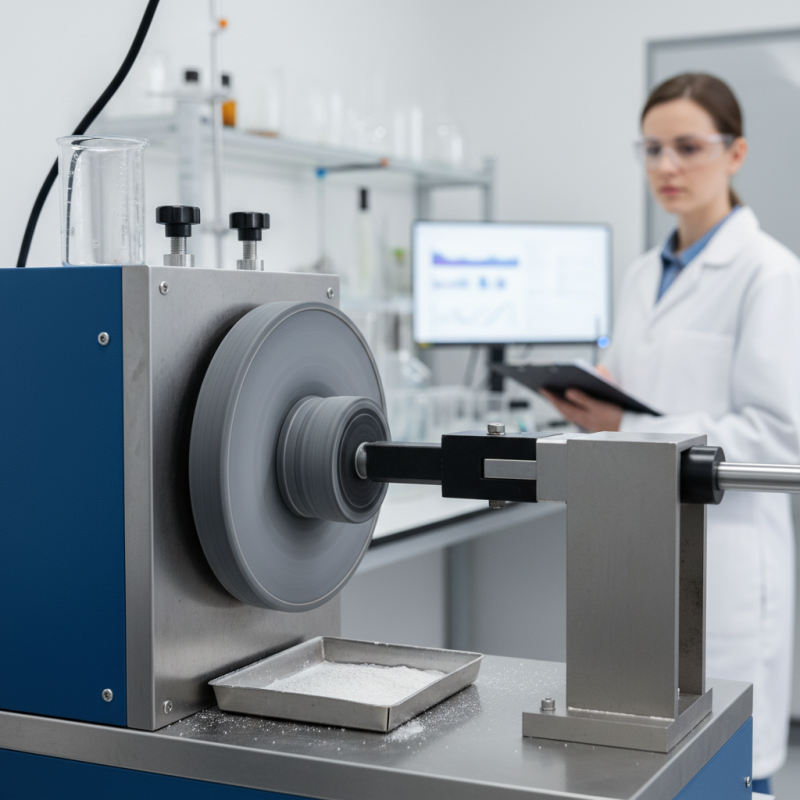
The Akron Abrasion Tester is a key instrument in material testing, particularly for assessing the abrasion resistance of textiles, rubber, and plastics. This device simulates real-world wear through abrasive processes. It employs a standardized method to measure how much material is worn away under controlled conditions.
This tester works by subjecting a sample specimen to a rotating grinding wheel that simulates friction. According to ASTM D5963, this method provides a reliable measurement of material durability. Studies indicate that about 40% of material failures occur due to abrasion, highlighting the importance of such testing. Additionally, materials tested under these conditions often show wear rates that are predictive of real-life performance.
Data from industry reports suggest a growing need for robust abrasion testing due to increased product lifetime expectations. However, not all testing yields consistent results. Variability in sample preparation and testing conditions can skew outcomes. This underscores the necessity for standard protocols and adherence to testing guidelines to ensure reliability. The Akron Abrasion Tester plays a crucial role in this evolving landscape, helping manufacturers understand the implications of wear and tear in their materials.
Principle of Operation of the Akron Abrasion Tester
The Akron Abrasion Tester is a vital tool in material testing. It measures abrasion resistance, providing insights into the durability of various materials. Understanding its principle of operation is crucial for accurate testing and analysis.
The test utilizes a rotating drum filled with abrasive materials. Specimens are subjected to friction against these abrasives. The rotation mimics real-world wear and tear. Each test offers a glimpse into how materials will perform over time. Accurate measurements allow engineers to select appropriate materials for specific applications. However, discrepancies can arise in test results. Variability in pressure, temperature, and even sample preparation can affect outcomes. Testing repeatedly under controlled conditions can help refine the results.
This method is fundamental in many industries. The information gained from the Akron Abrasion Tester guides decisions, but it is not infallible. Continuous improvement and methodology adjustments can enhance testing reliability. With technology and expertise, the limits of abrasion testing can be pushed further, giving rise to innovative material applications.
Akron Abrasion Tester Performance Analysis
This chart displays the abrasion resistance of different materials tested using the Akron Abrasion Tester. The data represents the weight loss in grams after a standard test duration, highlighting the strong impact of material properties on abrasion resistance.
Industry Standards and Specifications for Abrasion Testing
The Akron Abrasion Tester plays a crucial role in assessing the wear resistance of materials used in various industries. According to ASTM D5963, this tester simulates the grinding action that materials face in practical applications. It measures the amount of material worn away by comparing samples before and after the test. Industries utilize this data to ensure that products meet necessary durability standards.
Industry standards for abrasion testing have evolved significantly. Recent studies reveal that materials can lose up to 30% of their weight in high-wear environments. The American Society for Testing and Materials (ASTM) and ISO have set protocols that help maintain consistency. In some tests, samples are subjected to specific abrasive materials under controlled conditions to assess performance.
Tip: Always ensure samples are prepared consistently. Variations can lead to misleading results. Regular calibration of the testing equipment is essential for reliable outcomes.
Understanding these specifications helps companies make informed choices about materials. They can select options that balance performance with cost. Data from recent reports emphasizes that choosing the right material can extend product life and enhance customer satisfaction.
Applications of Akron Abrasion Tester in Material Testing
The Akron Abrasion Tester plays a vital role in material testing. It measures the wear resistance of various materials under controlled conditions. This tool is essential in industries such as rubber, plastics, and textiles. By simulating real-world wear, manufacturers can predict product longevity.
In a recent industry report, over 70% of manufacturers indicated that testing wear resistance is crucial for product formulations. Testing with the Akron tester helps engineers understand how materials respond to friction. This data guides decisions on which materials to use in production. Proper testing can reduce failures and improve product performance.
However, not all tests are foolproof. Operators must ensure consistency in testing methods. Variability in sample preparation can lead to inaccurate results. Regular calibration of the tester is necessary for reliable data. Despite its advantages, some companies still overlook the importance of material testing, risking product quality and customer satisfaction.
What is Akron Abrasion Tester and How Does It Work? - Applications of Akron Abrasion Tester in Material Testing
| Test Material | Abrasion Type | Standard Method | Typical Applications | Testing Duration (Hours) |
| Rubber | Dynamic Abrasion | ASTM D5963 | Footwear, Conveyor Belts | 2 |
| Textiles | Frictional Abrasion | ASTM D3884 | Apparel, Upholstery | 1 |
| Plastics | Wear Resistance | ASTM D4060 | Automotive Parts, Electronics | 3 |
| Leather | Surface Abrasion | ISO 3377 | Footwear, Bags | 2 |
Interpreting Results from Akron Abrasion Testing: Key Metrics and Data
Interpreting results from Akrón Abrasion Testing involves analyzing key metrics that provide insights into material durability. The primary metric is weight loss, indicating how much material has been eroded during testing. This is expressed in grams. Higher weight loss signals lower resistance to abrasion. It’s crucial to compare different materials under the same conditions for valid results.
Another important measure is volume loss. It helps assess how much material has worn away in terms of cubic centimeters. Volume loss can sometimes reveal patterns not visible through weight loss alone. Additionally, evaluating the specific wear rate can inform the effectiveness of materials in various applications.
Understanding these metrics requires careful observation of the testing process. Variations in pressure or test duration can yield different outcomes. Factors such as temperature may also affect results, prompting deeper analysis. Sometimes, results may contradict initial expectations. This invites a reconsideration of material properties. Ultimately, consistent testing offers a clearer picture over time.



 08045479132
 Send Inquiry

 Send Inquiry
 Send SMS