7 Best DTH Boring Machines for Global Buyers?
Choosing the right Dth Boring Machine can shape drilling productivity, project safety, and long-term operating costs. Global buyers often compare machines by power, drilling diameter, mobility, air consumption, and service support. These factors matter on rocky construction sites, water-well projects, mining areas, and infrastructure works.
This guide reviews seven strong options for international buyers. Each model is considered through practical criteria, including engine performance, compressor capacity, mast stability, control layout, and transport requirements. A machine that works efficiently on dry granite may perform differently in fractured rock or clay. Local regulations, spare-parts access, operator training, and warranty terms also deserve close attention.
Real job conditions rarely match a supplier’s brochure. That matters. A compact rig may reach narrow sites easily, yet sacrifice drilling depth. A powerful machine may improve output, but increase fuel use and maintenance demands. Some manufacturers provide dependable technical support, while others leave buyers waiting for basic components. The ranking should therefore be viewed as a useful starting point, not a universal verdict. Field experience, verified specifications, and honest supplier communication remain essential. Buyers should request test data, service records, and references from comparable projects before committing. Even experienced contractors can overlook soil changes, transport limits, or hidden ownership costs. This comparison aims to make those decisions clearer, more measurable, and better suited to real global drilling conditions.
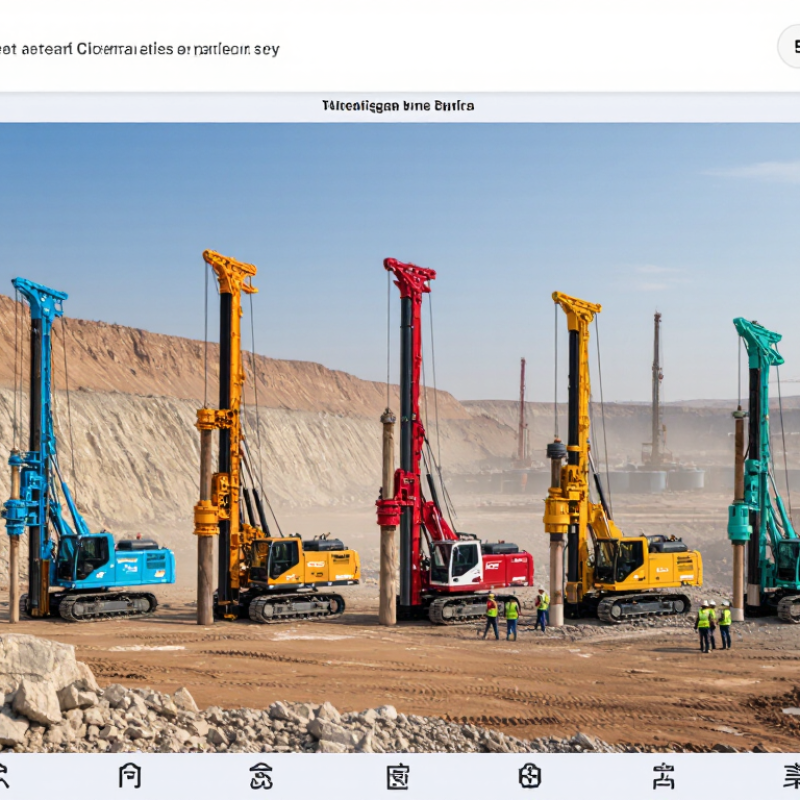
DTH Boring Machines Explained: 90–300 mm Hole Diameters and 15–35 bar Air
DTH boring machines use compressed air to drive a hammer at the bottom of the hole. They suit hard rock, fractured ground, and construction sites requiring accurate drilling. The workable hole range is usually 90–300 mm. The range is broad. A 90 mm hole may support anchoring or small water projects, while a 300 mm hole can serve larger foundations and utility work.
Air pressure typically falls between 15 and 35 bar. Lower pressure may reduce penetration in dense granite. Higher pressure can improve hammer energy, but it also increases fuel use, hose stress, and maintenance demands. Pressure is not everything. Air volume matters just as much, because the airflow must remove cuttings from the hole. A compressor that reaches pressure but lacks volume may leave dust and rock chips inside the bore.
Experienced operators match the hammer, bit, rod size, and compressor to the formation. Carbide button bits often perform well in hard rock, but fractured ground can cause wandering or stuck tooling. Monitoring penetration speed, return air, vibration, and dust gives useful clues. A practical setup should include pressure gauges, secure connections, and suitable dust-control measures. I would not select a machine from diameter and pressure alone. Ground tests are essential, and early estimates can be wrong when water or hidden fractures appear. The safest choice follows site conditions, equipment limits, and local operating requirements.
7 Best DTH Boring Machines for Global Buyers? - DTH Boring Machines Explained: 90–300 mm Hole Diameters and 15–35 bar Air
Technical figures are representative specifications for common DTH drilling configurations. Actual performance depends on geology, tooling, compressor capacity, operating altitude, and drilling practice. | No. | Machine Configuration | Recommended Hole Diameter | Working Air Pressure | Typical Air Flow | Typical Drilling Depth | Drill Rod Size | Engine Power | Approx. Operating Weight | Best-Suited Applications |
| 1 | Compact Crawler DTH Rig
Entry-level, narrow-access configuration | 90–130 mm | 15–20 bar | 12–18 m³/min | 80–120 m | 64–76 mm | 55–75 kW | 3.5–5.5 t | Water wells, small foundation holes, geotechnical investigation, and light quarry work. |
| 2 | Utility Crawler DTH Rig
Balanced mobility and drilling capacity | 100–180 mm | 18–25 bar | 18–25 m³/min | 100–160 m | 76–89 mm | 75–100 kW | 5–8 t | Agricultural wells, solar-site ground testing, anchoring, and general civil construction. |
| 3 | Standard Mid-Range Crawler Rig
General-purpose production drilling | 115–200 mm | 20–28 bar | 22–32 m³/min | 140–220 m | 89–102 mm | 100–130 kW | 8–12 t | Water-well construction, blast-hole drilling, construction anchors, and mineral exploration. |
| 4 | High-Pressure Production Rig
Designed for hard-rock and larger holes | 140–250 mm | 25–32 bar | 30–45 m³/min | 180–300 m | 102–114 mm | 130–180 kW | 12–18 t | Quarries, mining benches, deep water wells, and large-diameter foundation drilling. |
| 5 | Heavy-Duty Quarry DTH Rig
High-output configuration for continuous duty | 165–300 mm | 28–35 bar | 40–60 m³/min | 220–350 m | 114–140 mm | 180–250 kW | 18–30 t | Large quarry blast holes, open-pit mining, overburden drilling, and heavy civil projects. |
| 6 | Truck-Mounted DTH Boring Unit
Road-transportable configuration for remote sites | 115–220 mm | 20–30 bar | 25–45 m³/min | 150–280 m | 89–114 mm | 120–220 kW | 12–25 t | Remote water-well projects, infrastructure work, highway construction, and multi-site drilling. |
| 7 | Deep-Hole Heavy Crawler Rig
High-feed and extended-depth configuration | 140–250 mm | 25–35 bar | 35–55 m³/min | 250–450 m | 102–127 mm | 180–300 kW | 20–35 t | Deep exploration, high-capacity water wells, mine development, and demanding foundation work. |
Global Buyer Guide: Matching Rig Power to Quarry, Mining, Water-Well, and Geothermal Work
Choosing among the seven best DTH boring machines starts with the ground, not the catalogue. A limestone quarry may need high penetration, strong torque, and dust control for long shifts. Hard granite demands stable rotation and durable drill rods. A compact rig can work well on a small site, but it may struggle when hole depth and rock hardness increase.
Water-well contractors should match air delivery to the planned borehole diameter and depth. A weak compressor creates slow flushing, overheated tools, and unreliable samples. Check mast reach, rod-changing space, transport width, and service access before purchase. These details matter when a rig works beside farms, narrow roads, or uneven ground. A clean control layout also reduces operator mistakes.
Geothermal drilling requires careful planning around temperature, casing, circulation, and formation changes. High torque alone does not guarantee useful performance. The drilling system must maintain alignment and remove cuttings consistently. I have seen buyers focus on engine power, then overlook compressor maintenance and spare-part availability. That comparison was incomplete. Local technicians, documented test results, and clear operating data provide stronger evidence than impressive specifications. Ask for performance figures from rock conditions similar to your project, not only ideal laboratory results. A short field trial may reveal vibration, fuel use, or access problems before a costly commitment.
7 Best DTH Boring Machine Profiles for Global Buyers
Comparison of typical maximum drilling depth by application. Values represent practical industry ranges for surface and underground DTH configurations; actual performance depends on rock strength, hole diameter, compressor capacity, tooling, and site conditions.
Buyer guide: compact rigs suit shallow construction and small water wells, while high-capacity quarry, mining, and geothermal profiles require larger compressors, stronger feed systems, and greater rod-handling capability. Typical hole diameters range from 89–305 mm, with working air pressures commonly around 18–35 bar.



 08045479132

 Send Inquiry


 Send Inquiry
 Send SMS

