2026 Top Instant Noodle Producing Machine Buying Guide?
In recent years, the instant noodle market has experienced significant growth. According to industry reports, the global instant noodle market was valued at over $43 billion in 2021, with projections to reach nearly $60 billion by 2025. This expansion highlights the growing demand for quality instant noodles and, consequently, the need for efficient production processes.
The choice of an Instant Noodle Producing Machine can greatly impact production efficiency. A well-chosen machine can reduce operational costs while improving product quality. Each machine varies in technology and capabilities, making informed decisions essential for achieving desired outcomes. Insights from experts indicate that the right equipment can increase production rates by up to 30%. However, selecting a machine is not without challenges. Factors such as scalability, durability, and maintenance should be considered carefully.
Investing in an Instant Noodle Producing Machine requires reflection on specific production needs. Assessing output capacity, ingredient flexibility, and automation features is vital. Balancing cost with functionality may seem daunting but is key to long-term success. Through careful consideration and informed research, manufacturers can position themselves well for future market growth.
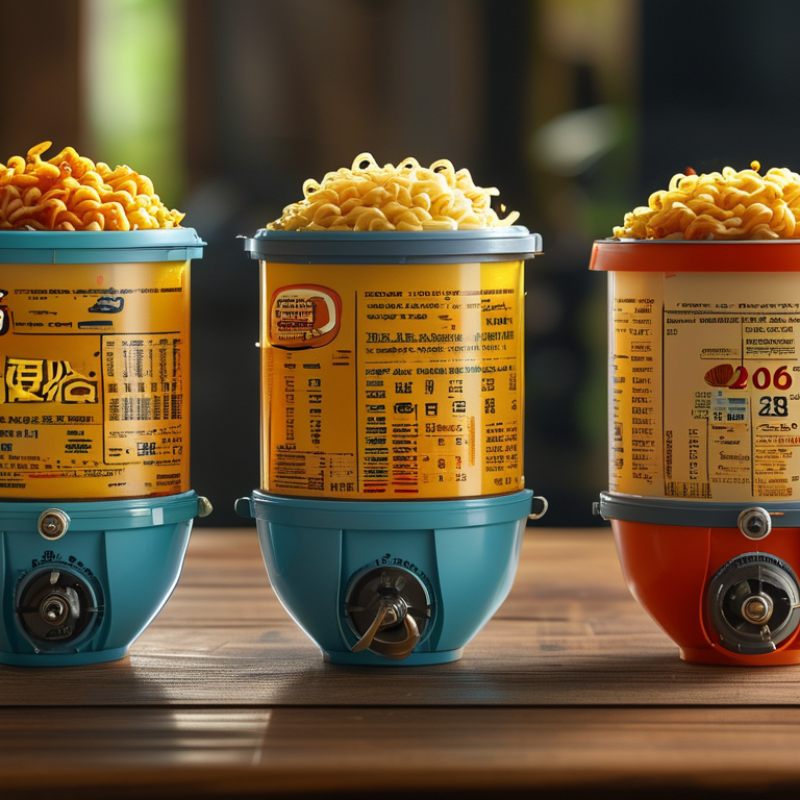
Top Features to Consider in Instant Noodle Producing Machines
When selecting an instant noodle producing machine, certain features stand out for potential buyers. First, consider the production capacity. Depending on your demand, machines can produce anywhere from 100 to 1,000 kg of noodles per hour. It's vital to align this with your business goals. Efficiency in production directly affects profitability.
Another crucial feature is automation. Advanced machines have automated processes that reduce labor costs. According to industry reports, automated production lines can increase output by up to 30%. This efficiency can lead to significant returns on investment. However, balancing automation with maintenance is essential; machines that are overly complex can lead to downtime and increased operational challenges.
Additionally, machine size and energy consumption are significant considerations. Compact models may save space but could have limitations in production capacity. On the other hand, larger machines require more energy. These factors can impact long-term operating costs, highlighting the need for careful evaluation.
When evaluating machines, inspect the materials used in construction. Durable materials can lead to a prolonged lifecycle, while lesser materials may result in frequent repairs.
Assess your specific needs carefully to avoid common pitfalls. Choosing the wrong features can lead to inefficiencies. Always conduct thorough research before finalizing your choice.
Market Trends Shaping the Instant Noodle Industry in 2026
The instant noodle industry is seeing transformative trends as we approach 2026. Research from Market Research Future (MRFR) indicates that the global market size for instant noodles is projected to reach $90 billion by 2026. This growth is influenced by various factors, including changing consumer lifestyles and increasing demand for convenience. Rapid urbanization and busy schedules are driving consumers towards quick meal solutions, significantly impacting purchasing habits.
Moreover, health consciousness among consumers is reshaping product offerings in the instant noodle sector. According to Technavio, there's been a notable shift towards healthier, organic, and fortified noodle options. This trend could complicate production processes for manufacturers, requiring them to adapt machinery and formulation strategies. Brands must consider how to maintain taste while enhancing nutritional value. The balance between traditional flavors and modern health trends will be critical for success.
Sustainability is another important market driver. Companies are under increasing pressure to source ingredients responsibly and to reduce plastic packaging. A report from the Food Institute states that over 50% of consumers prefer brands with environmentally-friendly practices. As a result, manufacturers will need to invest in eco-conscious technologies, impacting machinery design and production methodologies. This presents a challenge but also an opportunity for innovation in the industry.
Comparative Analysis: Automatic vs. Semi-Automatic Machines
When considering instant noodle producing machines, the choice between automatic and semi-automatic systems is crucial. Automatic machines offer high efficiency. They allow for continuous operation with minimal human intervention. However, they require a significant upfront investment. Automating the entire process can lead to fewer errors but may also become complex. Maintenance is vital and can be costly if not managed properly.
On the other hand, semi-automatic machines provide flexibility. Operators can control specific parts of the process, allowing for adjustments as needed. This can be beneficial for small to medium-sized businesses aiming for product variation. Yet, reliance on manual labor means slower production rates. It also carries the risk of inconsistent quality if operators are not trained well.
In evaluating these machines, consider production goals and budget constraints. Automatic machines might suit larger production needs, while semi-automatic options work for diverse product lines. Both have their strengths, but potential drawbacks should be assessed thoroughly. It’s essential to reflect on operational realities before making a purchase.
Key Manufacturers and Their Innovations in Instant Noodle Equipment
The instant noodle market is rapidly evolving, driven by innovative machinery and technology advancements. Recent industry reports indicate that the global instant noodles market is expected to reach $70 billion by 2026. This growth highlights the importance of efficient production equipment for manufacturers. Key manufacturers are now focusing on automation, which enhances output while reducing labor costs. Machines equipped with advanced sensors and AI technology can significantly streamline the production process.
Innovation in instant noodle equipment is critical for meeting consumer demands. Companies are exploring new ways to improve texture, flavor, and nutritional content of noodles. For instance, extrusion technology allows manufacturers to produce noodles with various shapes and sizes. Data shows a 15% increase in market share for brands that utilize these technologies. However, not all innovations yield positive results. Over-reliance on automated systems may lead to quality inconsistencies. It's essential for manufacturers to balance efficiency with product integrity.
Moreover, sustainability is becoming a crucial consideration in production. Equipment that minimizes waste and energy consumption is gaining traction. A significant number of manufacturers are investing in eco-friendly practices. Reports indicate that over 30% of production facilities are now focused on reducing their carbon footprint. While these steps are promising, the challenge remains in fully integrating sustainable practices across all systems. Continuous research and development are necessary to create machines that not only perform well but also align with global sustainability goals.
Cost-Benefit Analysis: Investing in Instant Noodle Production Technology
Investing in instant noodle production technology requires careful consideration. The cost of acquiring a high-quality machine can be substantial. However, the returns can be significant if planned correctly. It’s crucial to analyze production rates and energy efficiency to ensure profitability. Some machines might promise high output but lack in durability or support. Balancing cost against expected production is vital in making an informed decision.
Another factor to reflect upon is maintenance costs. Machines that seem economically feasible may incur hidden charges over time. Regular maintenance ensures longevity and efficiency, yet it can be overlooked in the budgeting process. Moreover, understanding market demand is essential. Trends in consumer preferences can change quickly. What sells today may not be popular tomorrow. Therefore, remaining adaptable with production capabilities is key.
Finally, consider the expertise of the supplier. A reputable supplier should provide not only the machine but also training and support. This can greatly enhance the operational knowledge of your team. The willingness to invest in staff training may very well determine the success of production. In essence, investing in noodle production technology is a balance of cost, efficiency, and expert support.



 08045479132
 Send Inquiry

 Send Inquiry
 Send SMS