2026 Best Breaker Lockout Devices for Global Buyers
Choosing the right Breaker Lockout device in 2026 requires more than comparing prices and product photographs. Global buyers need equipment that fits specific breaker designs, withstands daily handling, and supports reliable energy-control procedures. A small mismatch can leave a handle partially movable. That is not acceptable.
This guide examines practical device features, including jaw clearance, insulating materials, label visibility, and resistance to heat, dust, and industrial wear. It also considers installation time. A maintenance technician should secure a device quickly, even while wearing protective gloves. Clear product dimensions, application charts, test records, and traceable manufacturer information provide stronger evidence than broad marketing claims. Buyers should confirm compatibility with miniature, molded-case, and larger circuit breakers before placing volume orders.
No single model suits every facility. Some compact lockouts perform well in crowded panels but offer limited adjustment. Others provide stronger grip yet require more installation space. That trade-off deserves honest attention. Field conditions can expose weaknesses that laboratory images hide. Buyers should request samples, inspect hinge movement, and test the device on actual breakers whenever possible. Local workplace requirements and procurement policies may also differ across regions, so compliance information should be verified with qualified professionals. This review aims to help distributors, contractors, and industrial users compare dependable options with greater confidence. Safety depends on more than the lockout itself. It also depends on correct selection, documented procedures, worker training, and consistent inspection.
What Are Breaker Lockout Devices and Why Are They Used?
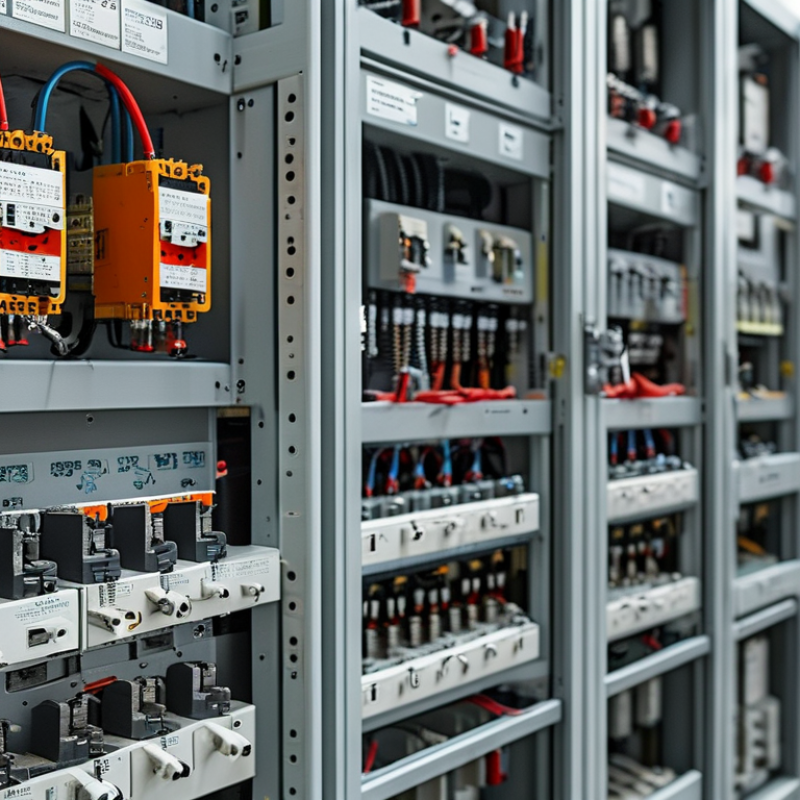
Breaker lockout devices are compact safety tools used to keep circuit breakers in an off position during maintenance. They prevent accidental re-energization while technicians work inside electrical panels. A fitted device blocks the breaker handle, while a personal padlock identifies who controls the energy source. The warning label adds a visible signal near the switch.
These devices are used in factories, offices, construction areas, and service rooms. Common designs fit miniature, molded-case, or larger handle-operated breakers. The correct choice depends on handle shape, spacing, panel layout, and available clearance. In field practice, a lockout that looks universal may not grip securely. That mistake deserves attention. Buyers should check measurements, insulating materials, temperature limits, and resistance to impact before ordering.
Safe use starts with identifying the correct circuit and shutting it down through an approved procedure. A qualified worker should verify the absence of voltage with a suitable tester. The lockout is then attached, locked, and labeled before work begins. A second check is wise, especially where several panels are nearby. Instructions must match local workplace rules and electrical requirements. Product photographs can mislead, so technical drawings and sample fitting tests are more reliable for global purchasing decisions. Even a durable device fails if the breaker remains energized or the wrong handle is selected.
How to Identify the Right Breaker Lockout Device
2026 Best Breaker Lockout Devices for Global Buyers
How to Identify the Right Breaker Lockout Device
Choosing a breaker lockout device starts with the breaker, not the catalog photo. Check the handle shape, width, travel, and mounting clearance. Some devices fit single-pole breakers but fail on tied handles. Others need a small screwdriver. That detail matters during urgent maintenance. OSHA’s Control of Hazardous Energy guidance estimates that lockout/tagout prevents about 120 deaths and 50,000 injuries annually in the United States. A suitable device should also withstand the site environment. Review temperature, dust, moisture, chemical exposure, and repeated handling. Confirm the device does not touch energized conductors.
Global buyers should request compatibility samples before placing large orders. Compare the device with actual breakers from each target market. Standards can differ between regions and equipment families. Look for clear material specifications, tested insulating properties, and traceable inspection records. An independent test report is more useful than a broad marketing claim. I would not trust “universal” wording without a physical fit test. It sounds efficient. It can be misleading.
Tips: Measure the breaker first. Photograph the handle. Test with a worker wearing gloves. Record the result. OSHA recommends authorized employees verify isolation before work begins. NFPA 70E also emphasizes an electrically safe work condition and documented procedures. One uncomfortable question remains: will the device stay attached when the cabinet door closes? Test that before approval, not after installation.



 08045479132
 Send Inquiry

 Send Inquiry
 Send SMS