10 Best Foot Massagers for Buyers in 2026?
After a day of standing, commuting, or training, tired feet can make even a quiet evening feel less restful. A Foot Massager may offer convenient at-home comfort, but products differ in pressure, fit, heat settings, and ease of cleaning. The right choice depends on your routine, sensitivity, and budget—not on the number of buttons.
The American Podiatric Medical Association’s 2014 survey of 1,000 U.S. adults found that 77% had experienced foot problems. That figure is self-reported and does not show that a massager can treat a medical condition. It does, however, underline why comfort and foot care matter to many buyers. The National Center for Complementary and Integrative Health also notes that massage research varies by condition; evidence for one kind of massage should not be treated as proof for every device.
Small details count. Can your heel sit naturally in the footwell? Are the rollers adjustable, or do they feel too intense after five minutes? Is the control reachable without bending down? These practical checks often matter more than a long list of features. This 2026 guide compares ten models by comfort, usability, safety features, price, and upkeep, while separating manufacturer claims from features buyers can verify. Some ratings may still reflect personal preference. That is worth admitting. A soothing setting for one person may feel uncomfortable to another, so check fit and return terms before purchasing.
Foot Massagers: Types, Features, and How They Work
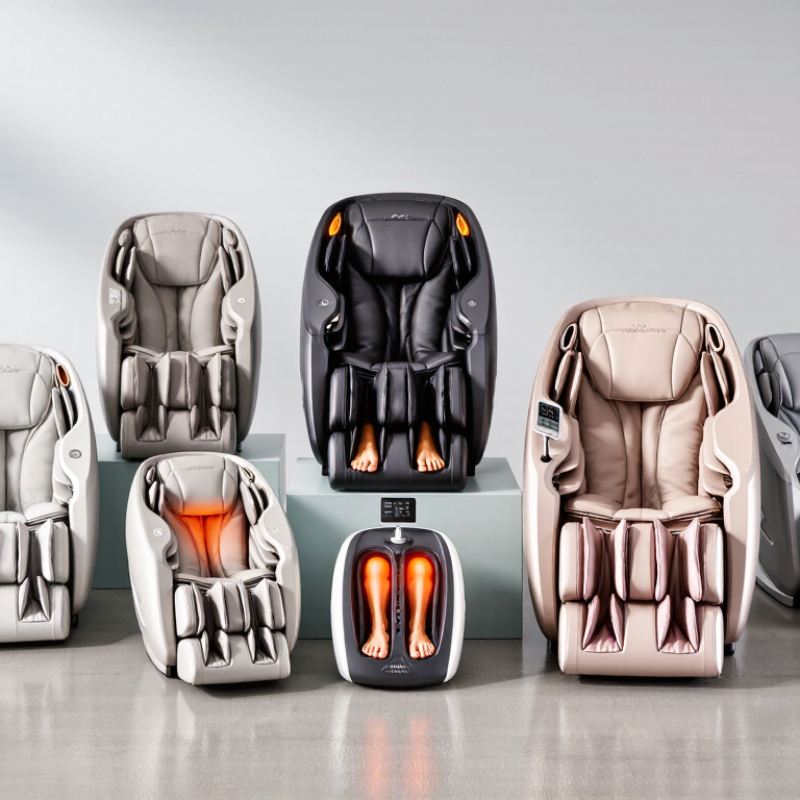
Foot massagers generally use vibration, rotating nodes, rollers, or air cushions to stimulate the soles and sides of the feet. Shiatsu-style models press and knead with moving nodes, while compression models inflate and release soft chambers around the feet. Some combine both. The feel differs. A shallow roller may suit someone who dislikes firm pressure, while deeper kneading can feel intense beneath the arch.
Look at fit, control, and cleaning before choosing a device. Open-toe designs feel less enclosed; full-foot chambers may provide more even contact but can feel warm. Adjustable intensity, a timer, and washable liners are practical details for regular use. Heat is optional. It may add comfort, but it does not make a massager a treatment for an injury or circulation problem. Check that your heel and toes sit naturally, without being squeezed.
A short, low-intensity session is a sensible way to judge comfort. Stop if pressure causes pain, tingling, or numbness. People with diabetes, reduced sensation, circulation concerns, or foot injuries should ask a qualified healthcare professional before using heated or high-pressure devices. Consumer foot massagers vary, and claims about medical benefits deserve careful scrutiny. I might expect a stronger setting to work better, but comfort—not intensity—is the more useful guide.
How to Evaluate Foot Massagers for 2026
For 2026, evaluate fit before features. The American Podiatric Medical Association’s 2014 foot-health survey found that 77% of U.S. adults had experienced foot problems. That figure signals widespread discomfort, not proof that massagers treat it. Fit matters. Compare the device’s foot-length and width limits with your feet, then check whether the opening feels comfortable around your ankles. Try the lowest pressure setting first. A strong squeeze should not feel sharp or leave lasting soreness. Check whether heat is adjustable, since “warm” can feel very different across devices.
Look closely at controls, cleaning, noise, and return terms. Can you stop a session without reaching down? Can you wipe the foot wells easily? Small detail. The CDC’s 2024 National Diabetes Statistics Report estimates that 38.4 million U.S. residents had diabetes in 2021. Reduced sensation can make heat or pressure harder to judge, so people with neuropathy should ask a healthcare professional before use. Compare written safety instructions, session timers, and warranty coverage; do not rely on marketing claims about circulation or pain relief. A quiet motor is useful, but it does not prove better performance. I would also test it in the room where it will live—some machines sound modest in a showroom and surprisingly loud at home.
How to Evaluate Foot Massagers for 2026
Suggested evaluation weights for comparing foot massagers. These percentages are a decision-making rubric, not product test results.
Prioritize massage performance and safety, then compare fit, controls, cleaning, noise, and warranty. Adjust the weights to match your needs.
Ten Foot Massagers Compared by Use and Design
A useful comparison starts with how each design contacts the foot. An open roller platform offers targeted pressure beneath the arch and heel, while an enclosed shiatsu unit uses rotating nodes around the sole. Air-compression models squeeze the feet with inflatable chambers. Vibration plates provide a broader, gentler sensation. Fit matters.
Heat changes the experience, but it does not make a device suitable for everyone. Heated wraps surround the feet; water-bath models add warm water and require more cleanup. A simple manual roller needs no power and allows direct pressure control. Foot-and-calf units cover a larger area, though they take up more space. Compact cordless designs are easier to store or move. Adjustable multi-mode models combine settings, but extra controls can make operation less intuitive.
Match the design to your routine, not just its feature count. Check the opening width, pressure levels, cleaning instructions, and whether heat can be switched off. People with reduced sensation or circulation concerns should ask a qualified health professional before using heated or forceful massage devices. Product descriptions can sound precise, yet comfort is personal. A trial period may help, though it cannot replace careful attention to discomfort during use.
Choosing a Model for Your Needs, Space, and Budget
Choosing a foot massager starts with your routine, not the longest feature list. If you use it after work, check whether the controls are reachable while seated. Make sure adjusting the intensity feels simple. For shared spaces, measure the floor area beside your chair and the clearance needed to put the unit away. Small detail, big difference. A bulky model can become a clothes stand.
Match the massage style to your comfort. Rollers may create focused pressure under the arches, while air compression can feel gentler around the feet. Sensation varies by design and person. Look for adjustable levels, a timer, and clear cleaning instructions, especially if several people will use it. If you have reduced foot sensation, circulation concerns, persistent pain, or a medical condition, ask a qualified clinician before using heat or strong pressure. Comfort is not a diagnosis.
Set a realistic budget by comparing build quality, return terms, warranty coverage, and replacement liners—not just the sale price. Check the dimensions and cord length against your room. For occasional use, a simpler device may be enough; daily sessions might justify sturdier construction. Higher cost does not guarantee a better fit. Reviews can overstate intensity, and your feet may disagree. Try a short session first, and stop if discomfort occurs. Choose a model you can store easily and will actually use.
Safety, Maintenance, and Proper Use of Foot Massagers
A foot massager should feel comfortable, not painful. Before each session, check your feet for cuts, blisters, unusual redness, or swelling. People with diabetes, reduced sensation, circulation problems, or a current foot injury should ask a healthcare professional before using one. They may not notice excess heat or pressure early enough. Less pressure is safer. Stop if you feel pain, numbness, burning, or lingering tingling, and do not use the device on irritated skin. It is easy to assume stronger kneading works better; that assumption deserves a second thought.
Use the massager while seated, with both feet positioned as the instructions describe. Start with a short session and a low setting, especially when trying a new device. Unplug it first. After use, let it cool, then wipe the contact surfaces with a soft, slightly damp cloth. Follow the manual’s cleaning directions, and keep water away from electrical parts. Remove and wash any liners only if the manufacturer says they are washable. Check the cord and casing regularly for cracks or fraying. A simple routine helps, though it is not a substitute for checking whether the device still feels safe and comfortable.



 08045479132

 Send Inquiry


 Send Inquiry
 Send SMS

